Dining in Italy: The Unwritten Rules Every Tourist Should Know
From ordering cappuccino to understanding the coperto charge, these Italian dining etiquette tips will help you blend in and enjoy every meal in Italy.
6/14/20265 min read


One of the things I love most about Italy is that meals aren't rushed. Eating isn't just about getting food on the table or quickly eating in your car ~ it's about enjoying the moment, spending time with family and friends, and actually slowing down long enough to savor the food and life itself.
If you're visiting Italy for the first time, you might notice that restaurants work a little differently than they do in the United States. Some things can feel confusing at first, and there are a few unwritten rules that locals simply take for granted.
The good news? Nobody expects tourists to know everything. But understanding a little Italian dining etiquette can make your experience smoother, help you avoid awkward moments, and even earn a few smiles from locals.
Here are some of the most important things to know before sitting down for your next meal in Italy.
Don't Always Expect Fast Service
One of the biggest adjustments for many Americans is realizing that Italian restaurants aren't trying to turn tables as quickly as possible.
In Italy, lingering over a meal is completely normal. In fact, it's expected.
Your waiter isn't ignoring you. They're giving you space to enjoy your meal. Once your food arrives, you may not see your server again unless you wave them over.
Many Italians consider being constantly interrupted during a meal to be poor service. My advice? Relax. Put away your phone. Enjoy the conversation and embrace the slower pace.
Dinner Starts Later Than You Think
Restaurants often don't open for dinner until 7:00 or even 7:30 PM.
Locals frequently eat dinner between 8:00 and 10:00 PM, especially in southern Italy during the summer months.
If you show up at 5:30 PM expecting dinner, you'll likely find the doors locked.
Typical Italian Meal Times
Breakfast: 7:00–10:00 AM
Lunch: 12:30–2:30 PM
Dinner: 7:30–10:00 PM
In smaller towns, many restaurants close between lunch and dinner service.
Cappuccino Has a Time and Place
This is probably the most famous Italian dining "rule." Can you order a cappuccino after lunch? Absolutely.
Will anyone stop you? Maybe, but probably not. Will locals do it? Unlikely.
In Italy, milk-based coffee drinks like cappuccino are generally considered breakfast beverages. After lunch or dinner, most Italians switch to espresso.
If you order a cappuccino at 9:00 PM, you'll immediately identify yourself as a tourist ~ and that's perfectly okay if it's what you enjoy. Just FYI.
Don't Ask for a To-Go Box
Italians tend to order only what they plan to eat. While restaurants are becoming more accommodating, taking leftovers home still isn't nearly as common as it is in the United States.
If you do want to bring food home, politely ask: "Posso portarlo via?" (Can I take it away?)
Some restaurants will happily package it up, while others may seem surprised by the request. 99% of the time, I'm unable to finish my meal, and they have not been surprised by me asking for a box. Some offer before I even have to ask.
Bread Isn't an Appetizer
When bread arrives at your table, don't expect olive oil and balsamic vinegar. That's largely an American restaurant tradition.
In Italy, bread is often meant to accompany the meal. Italians use it to soak up sauce left on the plate ~ a practice known as fare la scarpetta.
And yes, it's completely acceptable.
Understand the Coperto Charge
Many visitors think they've been overcharged when they receive the bill. You'll often see something called a coperto listed.
The coperto is a small per-person cover charge that helps cover things like bread, table service, linens, and place settings.
This is normal throughout much of Italy. It isn't a scam, and it isn't a hidden fee. It's simply part of dining culture.
Tipping Works Differently
One of the most common questions I hear is: "How much should I tip in Italy?"
The short answer: much less than in the United States or none at all.
Restaurant staff are paid wages that don't rely heavily on tips. Many Italians simply round up the bill or leave a few euros for excellent service.
Wait to Be Seated
Even when a restaurant looks empty, don't automatically grab a table.
Instead, wait near the entrance, and a staff member will usually greet you.
You may hear: "Quanti siete?"
This simply means, "How many are in your party?"
After that, they'll show you where to sit or tell you to sit wherever you'd like.
The Check Doesn't Arrive Automatically
In Italy, bringing the check before it's requested can be considered rude because it implies the restaurant wants you to leave.
When you're ready to pay, simply ask: "Il conto, per favore." (The check, please.)
Otherwise, you could be sitting there for quite a while, wondering why nobody has brought it.
Water Is Usually Purchased
Free tap water isn't automatically served at restaurants. Instead, you'll typically order bottled water.
You'll usually be asked:
Acqua naturale/liscia (still water)
Acqua frizzante (sparkling water)
I learned quickly that if you don't specify, you may end up with sparkling water whether you wanted it or not.
Italian Aperitivo Tradition
If there's one Italian tradition I think every visitor should experience, it's aperitivo.
Think of it as Italy's version of happy hour—but a little more elegant and a lot less rushed.
Aperitivo usually takes place between 6:00 PM and 8:00 PM, before dinner. The idea is simple: enjoy a drink, relax with friends, and stimulate your appetite before the evening meal.
Popular aperitivo drinks include:
Aperol Spritz
Campari Spritz
Negroni
Prosecco
Wine
Non-alcoholic spritzes
Along with your drink, many bars will serve small snacks such as:
Olives
Chips
Nuts
Cheese
Bruschetta
Mini sandwiches
Small slices of pizza or focaccia
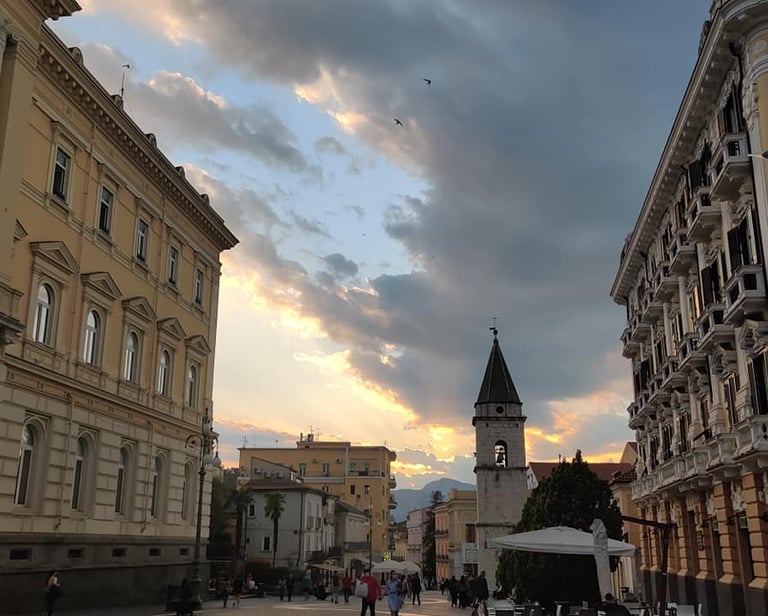
One thing I love about aperitivo is that it's not just about the food or the drink. It's a social ritual. People gather after work, catch up with friends, enjoy the evening atmosphere, and ease into the night. If you're visiting Italy, sitting in a piazza with a spritz in hand while watching the world go by is one of those simple Italian experiences you shouldn't miss.
Respect the Courses
Traditional Italian meals are often served in courses:
Antipasto
Appetizers
Primo
Pasta, risotto, or soup
Secondo
Meat or fish
Contorno
Vegetable side dish
Dolce & Coffee
Dessert & espresso
Digestivo
Digestive/liqueur
The important thing to know is that sides don't automatically come with your main course. If you order a steak, don't assume vegetables or potatoes are included. You'll often need to order a contorno separately.
Also know that you don't have to order every dish. For example, you can have an antipasto and then just skip to a secondo if that's all you want.
Pizza Has Its Own Rules
Pizza in Italy is often a personal-sized pizza. Most Italians order one entire pizza for themselves.
Sharing isn't forbidden, but it's less common than many visitors expect.
And yes, eating pizza with a knife and fork is completely normal.
Don't Rush Through the Meal
Perhaps the most important rule of all is this:
Slow down. One of the beautiful things about Italy is that meals are treated as experiences rather than obligations.
Nobody is in a hurry. Nobody is eating in the car. Nobody is scrolling through emails between bites.
It's one of the reasons dining in Italy feels so special.
A Few Italian Restaurant Phrases Worth Knowing
Here are a few simple phrases that can make dining easier:
Buongiorno – Good morning/day
Buonasera – Good evening
Per favore – Please
Grazie – Thank you
Il conto, per favore – The check, please
Posso avere...? – May I have...?
Acqua naturale – Still water
Acqua frizzante – Sparkling water
Senza... – Without...
Even a few words of Italian can go a long way.
Savor the Experience
The best dining advice I can give anyone visiting Italy is to embrace the pace.
Meals are meant to be enjoyed, conversations are meant to last, and nobody is keeping score on how quickly you finish dinner.
Once you settle into that rhythm, you'll understand why so many people return from Italy wishing they could bring a little bit of that lifestyle home with them.