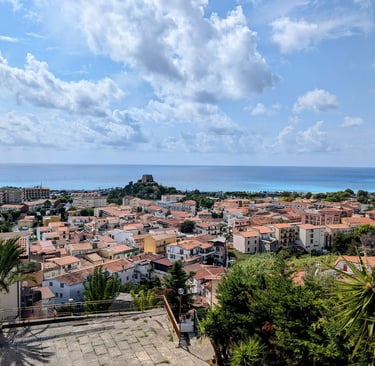
Hotels in Italy Explained: A Complete Guide to Every Type of Stay
Going to Italy? Learn the differences between hotels, agriturismos, B&Bs, villas, apartments, convents, and more to choose the perfect stay.
7/22/20265 min read
Planning a trip to Italy is exciting...until you start searching for somewhere to stay.
Suddenly you're staring at words like agriturismo, albergo diffuso, locanda, and affittacamere, wondering if they're all just fancy ways of saying "hotel." They're not.
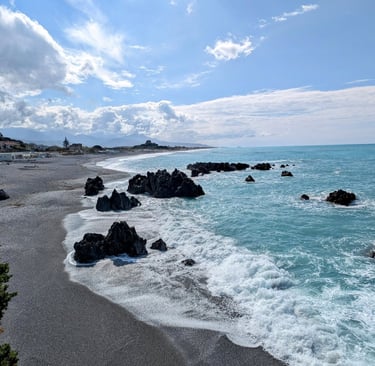
Whether you dream of waking up on a vineyard in Tuscany, sleeping inside a centuries-old castle, or finding a family-run bed and breakfast overlooking the sea in Calabria, there's something for every budget and travel style.
If you've ever wondered what all these different types of stays actually mean, here's your complete guide.
Traditional Hotels
When most people search for hotels in Italy, this is what they're looking for.
Hotels range from simple one-star accommodations all the way to luxurious five-star resorts. You'll find them in almost every city, beach town, and mountain village across the country.
Expect amenities like:
Private bathrooms
Daily housekeeping
Reception desk
Air conditioning (though not always!)
Breakfast options
Sometimes restaurants, pools, or spas
One thing I love about many Italian hotels is that even the smaller ones often have so much character. Rather than giant chain hotels, you'll frequently find family-owned properties that have been welcoming guests for generations.
Best for: First-time visitors, couples, families, city stays, and travelers who want convenience.
Bed & Breakfasts (B&B)
Italian Bed & Breakfasts are exactly what they sound like ~ a room and breakfast ~ but they're often much more personal than hotels.
Many are operated by local families who live on the property or nearby. Breakfast may include homemade pastries, fresh fruit, espresso, and local specialties rather than a large buffet.
These stays tend to feel warm and welcoming, and your host is often happy to recommend restaurants, hidden beaches, or local attractions you won't find in guidebooks. They may even be kind enough to come pick you up at the train station.
They're also usually more affordable than hotels.
Best for: Couples, solo travelers, and anyone who enjoys meeting locals.
Agriturismos
If you've been dreaming of rolling vineyards, olive groves, mountain views, and incredible homemade food...
An agriturismo might become your favorite place to stay in Italy.
An agriturismo is a working farm that welcomes guests. Some are rustic and simple while others are surprisingly luxurious with pools, spas, cooking classes, and wine tastings.
Many produce their own olive oil, wine, cheese, vegetables, or honey, which means dinner often comes straight from the farm.
It's one of the most authentic ways to experience rural Italy.
If slowing down and enjoying the Italian countryside sounds like your kind of vacation, you really can't go wrong here.
Vacation Apartments
Apartments have become incredibly popular, especially for travelers staying several days, weeks, or months.
Instead of a hotel room, you'll have your own apartment with a kitchen, living room, laundry (sometimes), and more space to spread out.
This can save quite a bit of money if you enjoy shopping at local markets and cooking a few meals yourself.
I especially recommend apartments if you're staying in one area for longer than four or five days.
They're also a great option for families.
Best for:
Longer vacations
Families
Digital nomads
Villas
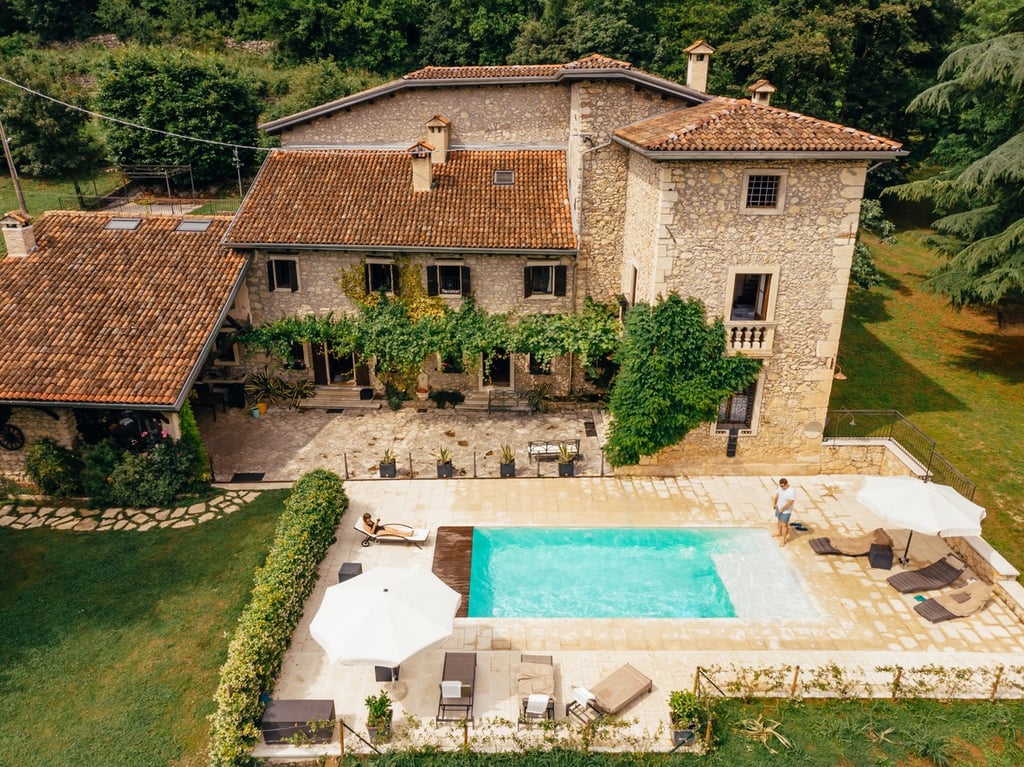
If you're traveling with a group, renting a villa can actually be more affordable than booking multiple hotel rooms.
Italian villas range from restored farmhouses to luxurious estates complete with private pools, gardens, vineyards, and breathtaking views.
Some even include chefs, housekeeping, or wine cellars.
It's the perfect choice for family reunions, destination weddings, girls' trips, or celebrating a special occasion.
Boutique Hotels
Boutique hotels combine the comfort of a hotel with a much more unique personality.
Instead of hundreds of rooms, these properties are typically smaller and individually designed.
Think restored palazzos, historic homes, elegant interiors, rooftop terraces, and personalized service.
Every boutique hotel has its own style, which makes your stay feel a little more memorable.
Albergo Diffuso (Scattered Hotel)
This is one of the coolest concepts you'll find in Italy.
Rather than one single hotel building, an Albergo Diffuso spreads guest rooms throughout an entire historic village.
You check in at one central reception, but your room might be a beautifully restored stone home just around the corner ~ or even a few streets away.
The idea is to preserve historic towns while allowing visitors to experience what it's actually like to live there.
Instead of feeling like a tourist, you become part of the village for a few days.
It's one of the most authentic lodging experiences in Italy.
Affittacamere (Guest House)
An Affittacamere literally means "rooms for rent."
These are often family-run properties with just a handful of private rooms.
Unlike a B&B, breakfast may or may not be included.
They're usually clean, comfortable, affordable, and commonly found in cities and popular tourist destinations.
If you're simply looking for a nice place to sleep without paying hotel prices, these are worth considering.
Locanda
A Locanda is something between a small inn and a country restaurant with rooms.
Many have only a handful of guest rooms and serve fantastic regional cuisine.
They're often located in charming villages where hospitality feels wonderfully old-fashioned.
If you enjoy cozy accommodations with incredible local food, you'll probably love staying in a locanda.
Monastery or Convent Stays
This surprises a lot of people.
Throughout Italy, many monasteries and convents rent rooms to travelers.
They're typically clean, simple, quiet, and surprisingly affordable.
Some are located in incredible historic buildings that you wouldn't otherwise have the chance to experience.
You don't have to be religious to stay in most of them ~ just respectful of the property's rules.
If you're looking for peace and quiet after exploring busy cities, this can be a unique option.
Hostel (Ostello)
Hostels aren't just for backpackers anymore.
Many modern hostels in Italy offer private rooms in addition to traditional dormitories.
Some even feature rooftop bars, coworking spaces, organized tours, and beautiful common areas.
They're a great way to save money while meeting other travelers from around the world.
Resorts
Italy also has beautiful beach resorts, mountain resorts, and luxury wellness resorts.
These are especially common along:
Sardinia
Sicily
Amalfi Coast
Lake Garda
Lake Como
Dolomites
If your goal is to relax without constantly planning activities, a resort can make for an easy and stress-free vacation.
Castles (Castello Hotels)
Yes, you can actually sleep in a castle.
Many historic castles throughout Italy have been converted into luxury hotels.
Imagine antique furnishings, centuries-old stone walls, grand staircases, beautiful gardens, and panoramic countryside views.
It's certainly not your average hotel stay, but it's an unforgettable experience if your budget allows.
Which Type of Accommodation Is Right for You?
There really isn't a wrong answer ~ it all depends on the kind of trip you're planning.
For first-time visitors: Traditional hotels or boutique hotels make sightseeing easy.
For authentic local experiences: Choose a B&B, agriturismo, or locanda.
For longer stays: Apartments or villas offer more space and flexibility.
For budget travelers: Guest houses, hostels, and B&Bs can stretch your travel budget.
For something unforgettable: Spend a night in a castle or stay in an Albergo Diffuso tucked inside one of Italy's beautiful historic villages.
Choose the Stay That Fits Your Travel Style
The best place to stay in Italy isn't necessarily the fanciest hotel or the one with the highest star rating. It's the one that matches the kind of trip you want to have.
Maybe that's a cozy B&B where the owner greets you with fresh pastries every morning, a quiet agriturismo surrounded by olive trees, or an apartment that lets you shop at the local market and cook dinner like an Italian.
Whatever you choose, don't be afraid to try something different. Some of the most memorable travel experiences happen because of where you stay, not just where you go.
Contact
You Can Follow Me Here:
© 2026. All rights reserved.


Benevento
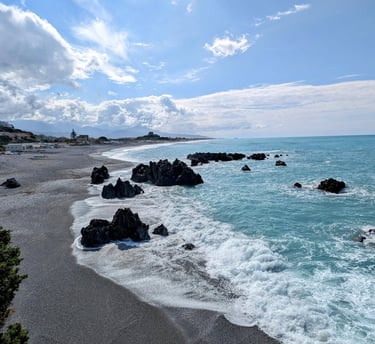
Scalea
Scalea