How to Avoid Tourist Traps in Italy (Without Missing the Good Stuff)
Wondering how to avoid tourist traps in Italy? Learn simple tips to spot overpriced restaurants, crowded attractions, and common travel mistakes, plus how to experience the real Italy.
4/25/20264 min read


*A little disclaimer: This post contains affiliate links. If you use these links to buy something, I may earn a small commission at no extra cost to you. Thanks!
Let me start by saying this: tourist traps exist in every country, not just Italy.
But Italy… Italy has mastered the art of looking charming while quietly charging you €18 for a plate of mediocre pasta and €6 for bottled water you didn’t ask for.
And listen, this doesn’t mean you need to avoid popular places. Some of the most famous spots in Italy are famous for a reason. The key is knowing how to recognize the traps and how to pivot when needed.
After spending a lot of time traveling around Italy (and yes, making a few mistakes myself), here are the things I’ve learned that will save you money, frustration, and disappointment.
Don’t Eat at Restaurants With Photos on the Menu
This one is probably the easiest tourist trap to spot.
If a restaurant has giant photos of spaghetti, lasagna, and pizza plastered all over a laminated menu outside… keep walking.
In Italy, good restaurants don’t need pictures to sell their food. Locals already know where to go, and visitors who do a little research find those spots too.
Another big red flag? Someone standing outside trying to wave you in. That almost never happens at authentic Italian restaurants.
Instead, look for places that:
Have menus written in Italian first (English is fine too, but Italian first is a good sign)
Offer seasonal dishes
Are busy with locals
Feel a little tucked away from the main tourist streets
Some of the best meals I’ve had in Italy happened when I wandered one or two streets away from the main piazza. That small move alone can make a huge difference.
Avoid Restaurants Right Next to Major Landmarks
This is one of the biggest mistakes travelers make, especially when they’re tired, hungry, and standing right next to something famous.
It’s tempting to sit down at the closest restaurant after visiting a big attraction like the Colosseum in Rome or St. Mark’s Square in Venice.
But here’s the truth:
Restaurants closest to major landmarks are usually the most expensive and the least authentic.
You're paying for the location, not the quality. Instead:
Walk 5–10 minutes away
Look down side streets
Check Google reviews (but read the comments, not just the rating)
I’ve found some incredible meals just by walking a little farther than I had planned.
Skip the “Free” Bread, Water, or Extras
If something seems free in Italy… it usually isn’t.
Bread placed on your table without asking? Bottled water opened automatically? A little appetizer you didn’t order?
These often show up on the bill. Not always, but often enough that it’s worth paying attention.
When you sit down, it’s completely okay to say:
“No, grazie” if you don’t want bread or bottled water.
Also, don’t be surprised if you see something called:
Coperto ~ This is a small cover charge per person. It’s normal in Italy and not a scam, but it’s good to know about ahead of time so it doesn’t catch you off guard.
Be Careful With Shops Near Major Attractions
Souvenir shops clustered around famous sites tend to sell:
Lower-quality goods
Mass-produced items
Higher prices
That doesn’t mean you shouldn’t buy souvenirs, just be selective.
If you want something meaningful (like ceramics, leather goods, or food products), try:
Local artisan shops
Small markets
Stores a few streets away from tourist hubs
You’ll usually get better quality and better prices. And honestly, the story behind the item often becomes part of the memory.
Watch Out for Overpriced Gondola and Tour Experiences
Some experiences in Italy are worth every euro, but not all of them.
Take gondola rides in Venice, for example. They’re iconic, yes, but they’re also expensive.
If riding one is on your bucket list, go for it, but know the official pricing ahead of time so you’re not surprised.
Other alternatives include:
Vaporetto (public water bus) rides along the Grand Canal
Walking tours led by licensed local guides
Small-group experiences instead of large bus tours
Often, smaller and slower experiences turn out to be the most memorable anyway.
Don’t Assume the Busiest Place Is the Best Place
Crowds don’t always equal quality.
Sometimes they just mean:
Great location
Social media popularity
Large tour group schedules
Some of the best experiences I’ve had in Italy happened in places that were quiet, simple, and not trending online.
If a restaurant looks packed but the reviews mention:
Rushed service
Average food
High prices
…it’s probably not worth the wait. Trust your instincts.
Learn a Few Basic Italian Phrases
This might seem unrelated to tourist traps, but it helps more than you think.
When you make even a small effort to speak Italian, people notice. And sometimes, that effort leads to:
Better service
Honest recommendations
Friendlier interactions
Simple phrases like these go a long way:
Buongiorno — Good morning
Per favore — Please
Grazie — Thank you
Il conto, per favore — The bill, please
Locals often appreciate the effort, even if your pronunciation isn’t perfect.
Do a Little Research Before You Go
You don’t need a color-coded spreadsheet or a minute-by-minute itinerary.
But knowing a few basics ahead of time makes a huge difference.
Before visiting a city, look up:
A few restaurant options
Neighborhoods worth exploring
Typical prices for common items
This helps you recognize when something is overpriced ~ or just not worth it.
And trust me, even 10 minutes of research can save you from a disappointing meal or an overpriced experience.
Don’t Skip Popular Places — Just Visit Them Smarter
Here’s something important:
Avoiding tourist traps doesn’t mean avoiding famous places.
You absolutely should see:
The Colosseum
The canals of Venice
They’re popular because they’re incredible. The trick is how you experience them. Try:
Visiting early in the morning
Booking timed tickets
Exploring nearby neighborhoods afterward
That balance (seeing the highlights while still wandering) is where that pure Italian magic happens.
Follow the Locals (Literally)
One of my favorite tricks? Watch where locals go. If you see:
Italians standing at a café counter
A small bakery with a steady line
A tucked-away trattoria filling up around lunchtime
That’s usually a good sign.
Locals don’t waste money on bad food. And when you find those places, that’s when Italy really starts to feel authentic.
You Don’t Have to Travel Perfectly
Here’s the truth no one tells you: You’ll probably fall into at least one tourist trap in Italy. Almost everyone does. I definitely did.
Sometimes those mistakes become funny travel stories later. The goal isn’t perfection, it’s awareness.
Walk a little farther and look a little closer. Trust your instincts.
That’s usually all it takes to experience the Italy most travelers miss. And when you do… that’s when Italy really starts to feel magical.
Contact
You Can Follow Me Here:
© 2026. All rights reserved.


Benevento
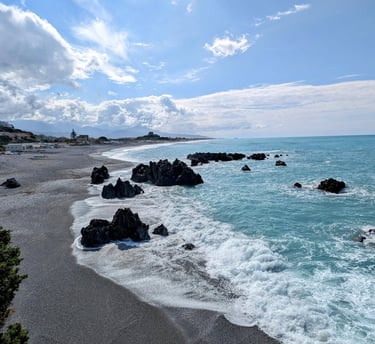
Scalea
Scalea