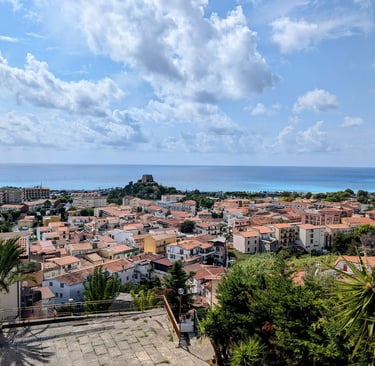
How to Buy Property in the Amalfi Coast: Complete Guide for Foreign Buyers
Learn how to buy property in the Amalfi Coast, including the best towns, average home prices, where to find listings, how to make an offer, legal steps, taxes, and closing costs for foreign buyers.
2/22/20265 min read


*A little disclaimer: This post contains affiliate links. If you use these links to buy something, I may earn a small commission at no extra cost to you. Thanks!
So… you’re thinking about buying a place on the Amalfi Coast.
I get it. You picture yourself sipping limoncello as you gaze over the breathtaking Amalfi Coast. The stunning scenery. The charming towns. The cliffs. The sea. The lemon trees. The pastel houses stacked irratically over the water. It’s the kind of place that makes you start checking real estate listings while vacationing there.
Whatever your reason, buying property on the Amalfi Coast is absolutely possible ~ even as a foreigner. But it does require planning, patience, and understanding how the Italian property system works.
Here’s everything you need to know. So, let’s break it down in a way that actually makes sense.
First: Pick the Right Town
The Amalfi Coast isn’t just one place. Every town has a completely different personality ~ and price tag.
Positano
This is an iconic, postcard town. It’s glamorous, dramatic, and very expensive. Homes cling to cliffs. Most have insane views. Many require climbing 100+ stairs to reach your front door.
Prices: Expect €8,000–€15,000 per square meter.
You’re easily looking at €1M+ for anything decent with a view.
Best for: Luxury buyers and strong short-term rental potential.
The astonishing town of Positano


The colorful cliff homes of Positano
Amalfi
Historic, central, and lively. You’ve got the cathedral, little piazzas, beaches, and easier access than Positano.
Still pricey but slightly less intense. It's more walkable and not as steep as Positano.
Prices: Around €5,000–€9,000 per square meter.
Good balance of lifestyle and investment.


The breathtaking town of Amalfi
Ravello
Way up in the hills. Quiet. Elegant. Unreal terraces. Smells like flowers.
Less beach access, more privacy and space.
Prices: €6,000–€10,000 per square meter.
Perfect if you want views and peace instead of crowds.


The quieter town of Ravello, hidden in the hills
Praiano
Low-key and more local. Many people who get priced out of Positano end up here... happily.
Still gorgeous. Less chaotic.
Prices: €4,000–€7,000 per square meter.
Often better value for sea views.
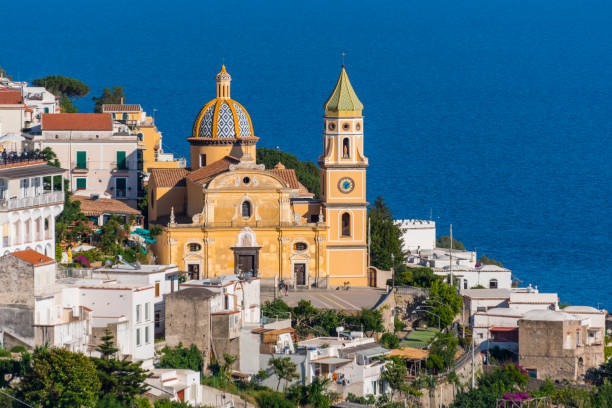
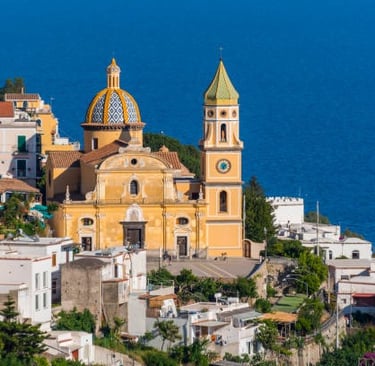
The lesser-known town of Praiano
Sorrento
Technically not “Amalfi Coast” but right next to it.
More infrastructure. Train station. Easier airport access. Slightly lower prices.
Prices: €3,500–€6,000 per square meter.
If convenience matters to you, this is worth considering.


Sorrento: More accessible, not far from the Amalfi Coast
What Homes Actually Cost
Let’s be real.
This is not a budget market. And views matter. A lot.
Small apartments start around €350,000–€500,000
Two-bedroom sea-view properties usually start around €700,000+
Panoramic villas? €2M to €5M+
No view = major price drop.
Full panoramic terrace = big premium.
Where to Find Properties
Start here:
Gate-away.com (popular with foreign buyers)
But here’s something most people don’t realize: some of the best homes never go online.
Local agencies in towns like Positano or Praiano often have off-market listings. If you’re serious, connect with a local agent directly.
Can Foreigners Buy?
Yes. Italy allows foreign buyers (including Americans, Brits, Australians, etc.) to purchase property.
You don’t need residency.
You don’t need citizenship.
You just need the proper paperwork.
Step-by-Step: How Buying Actually Works
Here’s where it gets important.
1. Get a Codice Fiscale
This is your Italian tax ID number.
You need it to buy property and open a bank account.
Easy to get through your consulate or in Italy.
2. Hire a Lawyer
Technically optional, but highly recommended.
Your lawyer checks:
Ownership history
Debt or liens
Building permits
Legal compliance
On the Amalfi Coast, many properties are older and may have renovations that need verification. Do not skip this.
3. Make a Formal Offer
You must contact the agent who has listed the property. It's not like in the U.S., where you choose your real estate agent, and they take you to see all the homes you are interested in. You only get to work with the listing agent. So send them an email, message them on WhatsApp, or call their office.
In Italy, offers are written and legally binding once accepted. You submit:
Written offer (Proposta d’Acquisto)
Small deposit (usually 1–3%)
If the seller signs, it’s official.
4. Preliminary Contract (Compromesso)
This is where things get serious.
You pay 10–30% deposit.
If you back out without legal reason, you lose it.
Your lawyer should review everything before this stage.
5. Final Signing (Rogito)
This happens in front of a notary.
The notary represents the state, not you or the seller.
You pay the remaining balance.
Ownership transfers.
You get the keys.
Payments are usually done by wire transfer for foreign buyers, unless you have an Italian bank account (for which you must provide proof of Italian residency).
What Extra Costs Should You Expect?
Plan for 10–15% on top of the purchase price.
This includes:
Purchase tax (2–9%)
Notary fees
Legal fees
Agent commission (3–5%)
Registration costs
If it’s a second home, taxes are higher.
Can You Rent It Out?
Yes, and many people do.
Towns like Positano and Amalfi have very strong summer rental demand.
But you’ll need:
Rental registration
A CIN code (national rental ID)
To follow local regulations
Property management is worth considering if you won’t live there full-time.
Things People Don’t Tell You
Let’s be honest about a few things:
• Many homes require stairs. Lots of them.
• Parking is rare and valuable.
• Renovations cost more because materials travel narrow roads.
• Accessibility impacts resale value.
• Off-season feels very different from July and August.
Visit the Amalfi Coast more than once before committing.
Is It Worth It?
Financially? It’s not the cheapest move you’ll ever make. Lifestyle-wise? Few places in the world compare.
Owning here means morning espresso with sea views. Sunset aperitivos on your terrace. Lemon trees outside your window. It’s not just buying real estate. It’s buying into one of the most iconic coastlines in the world.
If you go in prepared ~ with a good lawyer, realistic expectations, and patience ~ the process is actually very doable, and it could be the best decision you've ever made.
Contact
You Can Follow Me Here:
© 2026. All rights reserved.


Benevento
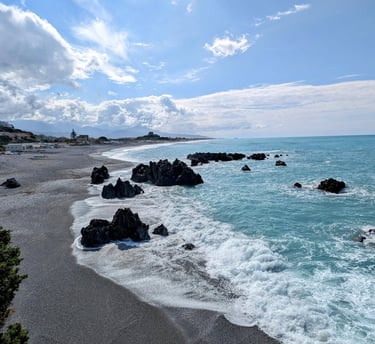
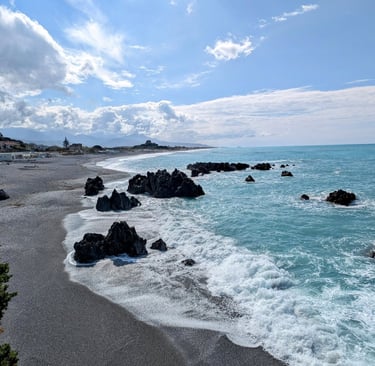
Scalea
Scalea