How to Find Cheap Property in Italy By the Sea
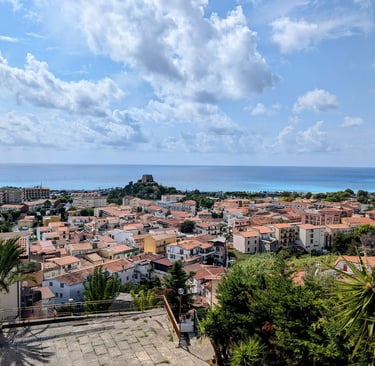
Searching for an affordable home by the sea in Italy? After browsing thousands of Italian properties, I discovered an incredible coastal region in Southern Italy with surprisingly affordable homes—perfect for buyers dreaming of la dolce vita.
2/1/20267 min read
*A little disclaimer: This post contains affiliate links. If you use these links to buy something, I may earn a small commission at no extra cost to you. Thanks!
How to Find Cheap Property in Italy by the Sea
For many people, the idea of owning a home by the sea in Italy feels like a fantasy ~ something reserved for millionaires, celebrities, or people who bought decades ago. But here’s the truth: cheap property in Italy by the sea still exists, especially if you know where to look and are willing to think beyond the most famous destinations.
After searching for Italian homes for over six years, tracking prices across regions, and ultimately buying my own seaside apartment, I can confidently say this: Southern Italy offers some of the best coastal property values in Europe.
Let’s talk about where to look, why prices are lower, and how you can still find an affordable Italian home by the sea before prices climb even higher.
Why Italy Still Has Affordable Coastal Property
When people imagine coastal Italy, they usually think of the Amalfi Coast, Cinque Terre, Tuscany, and Lake Como. These areas are stunning, but they’re also some of the most expensive real estate markets in the country. Prices are driven by tourism, international demand, and limited housing supply. After all, who wouldn’t want George Clooney as a neighbor? For most of us, though, a more realistic and attainable option makes far more sense.
Meanwhile, large parts of Southern Italy remain overlooked by foreign buyers, even though they offer beautiful coastlines, authentic Italian towns, a slower pace of life, welcoming locals, and significantly lower property prices. If you’re buying on a budget, this is where your attention should be.
Why Southern Italy Is the Best Bet for Budget Buyers
Southern Italy’s affordability often surprises people, but once you understand why prices are lower, it makes perfect sense. It’s not because the regions lack beauty, culture, or quality of life. In fact, many southern areas offer better weather, cleaner seas, and a slower, more authentic lifestyle than Italy’s most famous destinations, like Florence, Milan, and Rome.
One major factor is demand. Northern Italy and well-known tourist hotspots attract a constant stream of international buyers, investors, and luxury developers. Not only are they buying up properties for their own enjoyment, but also for investment income on short-term rentals, which naturally drives prices up. In the south, especially in regions like Calabria and Sicily, demand has historically been more local.
Another reason is population shift. Many younger Italians have moved north or abroad for work over the past few decades, leaving behind homes that are often inherited rather than purchased. Families may choose to sell these properties at affordable prices simply to avoid ongoing maintenance, taxes, or vacancy. For buyers, this creates real opportunities.
Southern Italy remains underrated internationally. While regions like Tuscany and the Amalfi Coast dominate social media, places like Puglia, Calabria, and Sicily offer dramatic coastlines, gorgeous mountain views, historic towns with true Italian charm, and incredible regional recipes but without the inflated price tag...yet. As more foreigners discover this, prices are already beginning to rise, but many areas are still incredibly affordable compared to the rest of the country.
North vs. South
Italy has had a well-known divide between the North and the South ~ a cultural, economic, and historical contrast that Italians themselves openly talk about. Northern Italy is considered wealthier and traditionally has been more industrialized, with faster-paced cities, modern infrastructure, efficient services, and more job opportunities.
Southern Italy, on the other hand, has a slower, more traditional rhythm of life, shaped by agriculture, strong family ties, and enduring local customs and beliefs. While this contributes to its Italian charm, it can also mean practical challenges. Infrastructure and roads may be less maintained, public services can move at a slower pace, and things like trash collection or bureaucratic processes don’t always run as smoothly as they do in the north.
For some, these differences can certainly be frustrating; for others, they’re simply part of the trade-off for a more relaxed, affordable, and authentic Italian lifestyle. Understanding these differences is an important factor for choosing the region of Italy that truly fits your expectations. This is why it's essential to research and truly get to know the area before taking the plunge and buying a property. Foreigners have been known to buy sight unseen and, upon arrival, are disenchanted and filled with regret. Don't be one of them!
Now, I am partial to Southern Italy. In fact, when I travel to larger Northern cities, I find myself eagerly anticipating my return to the quiet, slower pace of a small-town Southern community, where most businesses close down after lunchtime, afternoons are meant for resting at home, and the rhythm of daily life is guided more by people than by the clock. In return, this means you may have to wait a little longer for things to get done. Patience is a virtue, my friends.
Calabria: One of Italy’s Best-Kept Secrets
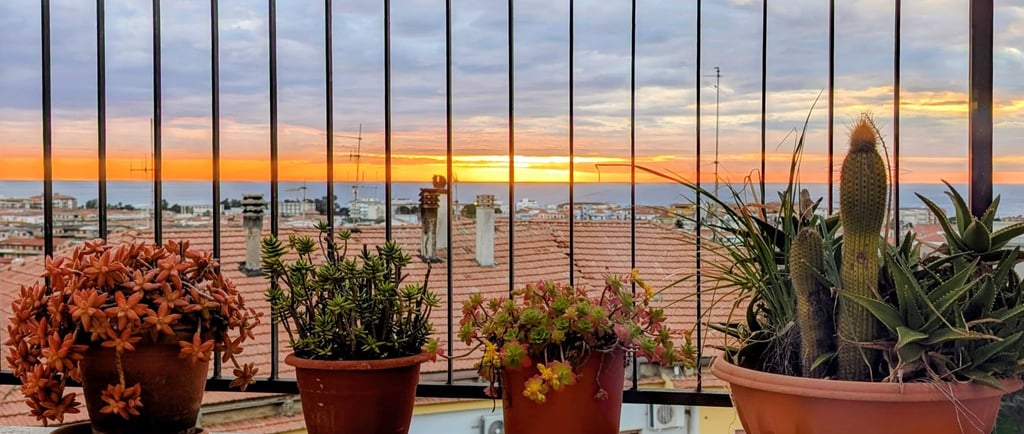
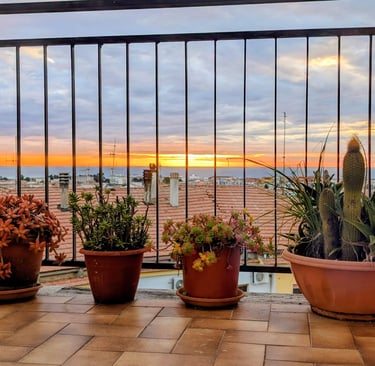
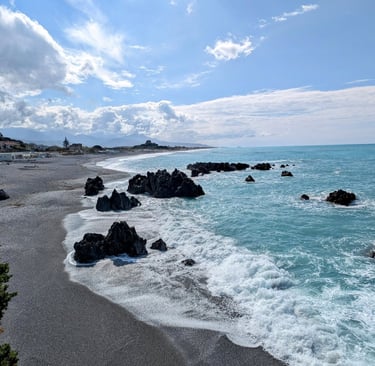
If you’re searching for cheap property in Italy by the sea, Calabria deserves serious attention and offers crystal-clear, turquoise waters, with dramatic mountains in the backdrop. The Western side of Calabria is blessed with some of the most remarkable sunsets you'll ever see (look at the colors in the picture above of my balcony and cacti). The warmer weather is more appealing for those who want to throw out their winter boots and ski jackets. But don't be fooled. The cool, humid coastline in winter can be frigid when storms roll through or temperatures drop.
The food! Much of the produce is locally grown, often in small family plots or nearby fields, and picked when it’s truly ripe, not shipped halfway across a continent. The meats and cheeses follow traditional and generational methods, relying less on processing and more on authenticity. Spicy ’nduja, cured salumi, pecorino, and ricotta are made in small batches, often with minimal ingredients and no shortcuts. These processes reflect a culture that values quality, tradition, and respect for what the land provides.
The Riviera dei Cedri (A Coastal Hidden Gem)
My home is in the Riviera dei Cedri, a stretch of coastline along the Tyrrhenian Sea. This area is known for long, uncrowded beaches (except in August when the area is overrun by beach-seeking vacationers), stunning mountain backdrops, sea views, and mostly walkable city centers.
After more than six years of searching Italian real estate websites and tracking prices, I purchased a seaside apartment with panoramic views of the sea, mountains, and town, with two balconies, a garage, and a parking spot. The negotiated price was €64,000. Even more surprising? I regularly saw smaller apartments priced around €50,000. You can buy a property for less than what some people pay for a car! These aren’t ruins or 1 euro homes ~ they’re livable properties in real coastal towns that may just need some updates and new paint.
That said, prices in Calabria are on the rise as more foreigners discover the area. But Calabria isn’t the only Southern gem. Sicily and Puglia also offer their own blend of beauty, culture, and affordability, each with distinct landscapes, traditions, and opportunities for buyers willing to look beyond the usual tourist locations.
Sicily: A World of Its Own
Shaped by centuries of Greek, Roman, Arab, Norman, and Spanish influence, this large island carries layers of history that are visible not just in its impressive Baroque-style architecture, but in its food, dialect, and traditions. Life here moves to a rhythm that feels distinctly Sicilian ~ proud and expressive, with a deep connection tied to the land and the sea. Sicily is another excellent option for buyers on a budget.
Tourist-heavy areas like Cefalù and Taormina cost more, but you can still find affordable homes, especially inland. Sicily was the founder of the 1 euro homes in towns like Mussomeli, Sambuca di Sicilia, and Salemi. If you're considering buying a 1 euro home, do extensive research on the town, the resources, the renovation processes, and the overall cost you will spend.
Puglia: A Landscape of Whitewashed Dreams
Puglia feels light and luminous, a region where whitewashed buildings glow against bright blue skies, with olive groves stretching for miles. From the one-of-a-kind trulli of Alberobello to seaside villages along the Adriatic, Puglia (or Apulia) offers a sense of calm simplicity. The cuisine is humble and fresh ~ olive oil, bread, vegetables, and seafood. And you can't go to Puglia without trying the orecchiette pasta, shaped like little ears.
Puglia has become increasingly popular, and prices have risen in many areas. However, affordable coastal property can still be found, especially if you look beyond the most famous places. Smaller seaside towns and less-publicized areas still offer good opportunities for budget-conscious buyers, though prices here tend to be higher than in Calabria.
Tips for Finding Cheap Property in Italy by the Sea
If you’re serious about buying, here’s what actually works:
1. Search Long-Term
I searched for over six years. Prices, trends, and opportunities become clear over time. I knew what I wanted and where I wanted it. I put money away the entire time to be better prepared for the down payment, fees, and taxes.
2. Look Beyond Famous Names
If everyone knows the town, prices are likely inflated. Start by looking at that well-known place and then check out the towns that are nearby to compare prices and see where you can buy in your price range.
3. Track Prices, Not Just Listings
Watch how long homes sit on the market and whether prices drop. Properties in Italy can sit on the market for years for no particular reason other than the perfect buyer hasn't come around yet.
4. Be Open to Smaller Towns
Many coastal village towns that sit up in the mountains offer incredible views, lower prices, and more authenticity. Access to the town may mean you need a car, so keep that in mind.
5. Act When the Right Property Appears
Affordable seaside homes don’t stay hidden forever ~ when the right one comes along, be ready. There was a beautiful home I was interested in, but I hesitated, and it was gone quickly.
Affordable Italian Coastal Living Is Still Possible
Buying cheap property in Italy by the sea isn’t a myth, but it does require patience, research, and a willingness to look where others aren’t. Regions like Calabria, Sicily, and parts of Puglia still offer incredible opportunities for Americans and foreigners who dream of coastal Italian living without the luxury price tag. You could also check the regions of Campania (home to Naples) and Basilicata (where the ancient "cave" town resides) for places with lower price tags.
I’ve watched prices rise year after year, especially in Calabria. If this dream is on your horizon, my honest advice is this: don’t wait too long. La dolce vita by the sea might be more attainable than you think. Buona fortuna!
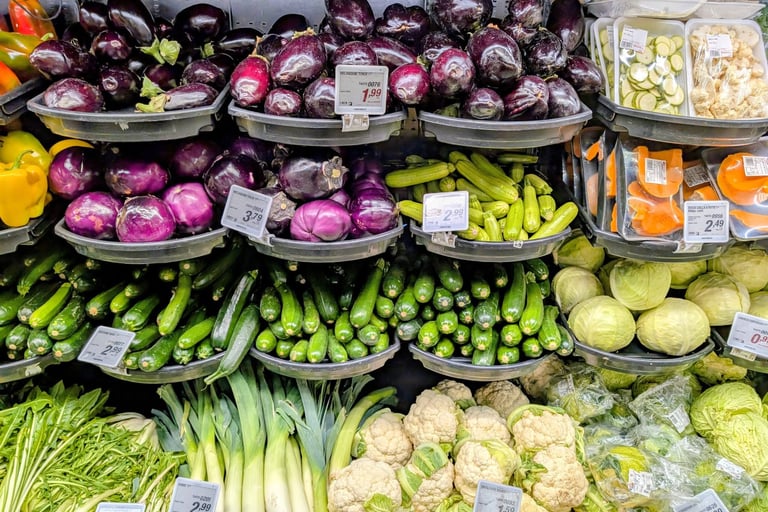
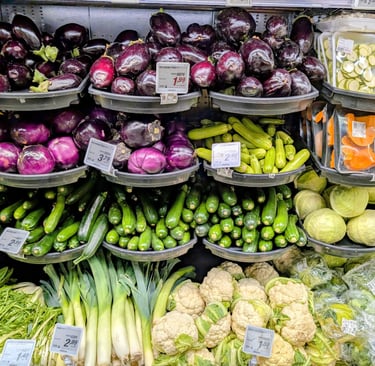
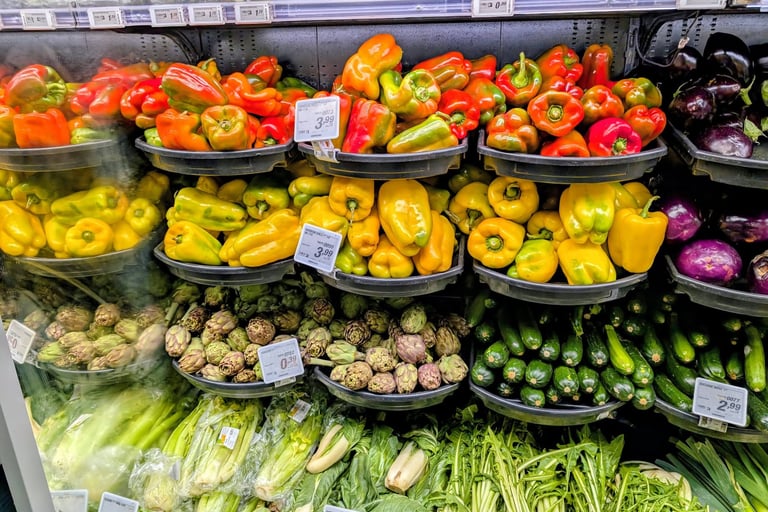
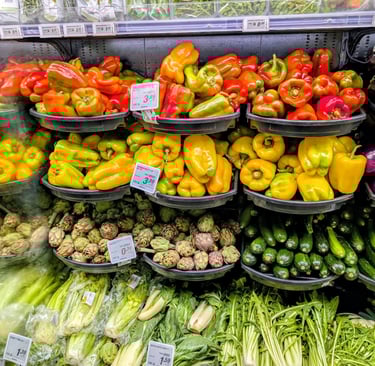
Vibrant & fresh Calabrian veggies
My beautiful cacti on my balcony in Italy
Contact
You Can Follow Me Here:
© 2026. All rights reserved.


Benevento
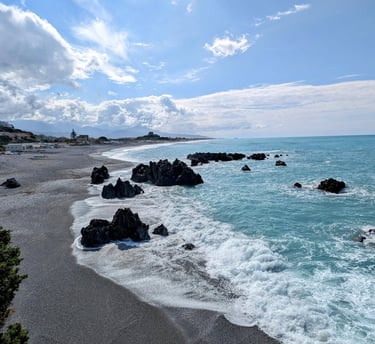
Scalea
Scalea