How to Plan a Trip to Italy: Itinerary, Tips & Costs
Going to Italy? Learn the best time to visit, where to go, how to budget, and create the perfect Italy itinerary with this easy step-by-step guide.
4/3/20262 min read


(Pictured Above: Manarola, Cinque Terre, day trip from Florence)
*A little disclaimer: This post contains affiliate links. If you use these links to buy something, I may earn a small commission at no extra cost to you. Thanks!
How to Plan a Trip to Italy (Without Feeling Overwhelmed)
Planning a trip to Italy sounds dreamy… until you open 27 tabs and suddenly have no idea where to start!
Rome, Florence, Amalfi Coast, Tuscany, Lake Como… like, how are you supposed to fit it all in without losing your mind?
The good news? You don’t need a perfect plan ~ you just need a smart one. Here’s exactly how to plan a trip to Italy step-by-step, without the stress.
Step 1: Decide When to Go (This Matters More Than You Think)
Let’s start here, because timing changes everything ~ crowds, prices, even your overall experience.
Best time to visit Italy: April–June & September–October
Summer: hot, crowded, expensive
Winter: quieter, cheaper, but fewer coastal options
Spring and fall are considered the sweet spot thanks to better weather and fewer crowds. They are certainly my favorite times to visit.
If you want that dreamy, not-too-packed Italy vibe? Go in May or mid-late September.
Step 2: Pick Your Destinations (Don’t Try to Do Everything)
This is where most people go wrong. You cannot see all of Italy in one trip, and you shouldn’t try.
Instead, pick 2–4 places max.
A classic first-time Italy itinerary:
Rome
Florence
Venice
Optional: Amalfi Coast or Tuscany
This route is popular for a reason ~ it hits history, culture, and scenery all in one trip.
Step 3: Decide How Long to Stay
Here’s a realistic breakdown:
7 days: 2-3 cities
10 days: 3-4 cities (ideal)
14 days: cities + countryside
Travelers are shifting toward “slow travel” ~ fewer places, more time in each. So stay longer, enjoy more, and stress less.
Step 4: Book Flights Early (Seriously)
Italy is one of the most popular travel destinations in the world, and things sell out fast.
Book flights 3–10 months in advance
Prices increase closer to travel dates
Consider flying into one city and out of another
Booking early gives you better prices and way more options
Step 5: Choose Where to Stay
Instead of hopping hotels every night, choose a home base in each region.
Examples:
Rome: stay central (near major attractions)
Florence: perfect base for Tuscany day trips
Hotels in popular areas book up fast, especially in peak seasons.
Step 6: Plan How You’ll Get Around
Good news ~ Italy is super easy to navigate.
Trains = best for cities (Rome - Florence - Venice)
Car rental = best for Tuscany & countryside
Flights = rarely needed
Italy’s train system is fast, affordable, and beginner-friendly.
Step 7: Plan Experiences (But Don’t Overplan)
Yes, you’ll want to see the big stuff:
BUT…Leave room for:
Wandering side streets
Long, relaxed dinners
Daily gelato breaks (very important)
Italy is best experienced when you slow down a bit.
Step 8: Set a Budget (With Wiggle Room)
Italy can be done on different budgets, but here’s a rough idea:
Budget: $100–150/day
Mid-range: $150–300/day
Luxury: $300+/day
Make sure to factor in:
Flights
Hotels
Food (you’ll spend more than you think… worth it)
Activities
Souvenirs
Step 9: Pack Smart
A few must-knows:
Comfortable walking shoes (non-negotiable)
Lightweight outfits for warm weather
Modest clothing for churches
Smaller suitcases: You don't want to lug them around
Best Tip: Keep It Simple
If there’s one thing to remember when planning a trip to Italy, it’s this: Do less, enjoy more.
The best moments won’t be the ones you scheduled ~ they’ll be:
the random café you found
the sunset you admired
the meal you’ll think about forever
chatting with locals
getting happily lost
That’s Italy. So pack your bags, and get ready for an unforgettable trip that will stay with you always!
Contact
You Can Follow Me Here:
© 2026. All rights reserved.


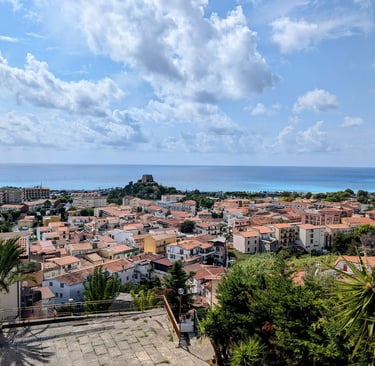
Benevento
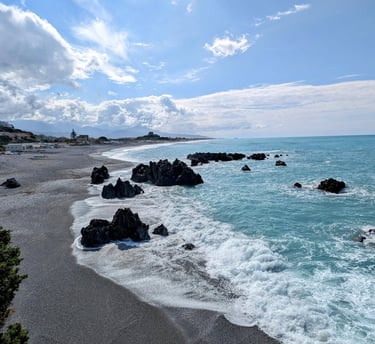
Scalea
Scalea