How to Plan a Trip to Italy When You Can Only Travel Once Every Few Years
Planning a trip to Italy when you can only travel once every few years? Learn how to plan a trip to Italy wisely with tips on destinations, pacing, budgeting, and travel strategy.
2/9/20265 min read


*A little disclaimer: This post contains affiliate links. If you use these links to buy something, I may earn a small commission at no extra cost to you. Thanks!
For many people, a trip to Italy isn’t something that happens every summer ~ it’s a big deal. It’s the kind of vacation you save for, dream about, and plan carefully because you might only get to do it once every few years (or once in a lifetime). That’s exactly why planning a trip to Italy deserves more than a quick Google search and a loose itinerary.
When your travel time is limited, every decision matters, from where you go to how fast you move, to what you don’t try to cram in. If you want to plan a trip to Italy that feels meaningful, unrushed, and unforgettable (not exhausting), this guide is for you.
Start With the Right Mindset: Less Italy Is More Italy
One of the biggest mistakes people make when they plan a trip to Italy is trying to see everything. Rome, Florence, Venice, the Amalfi Coast, Tuscany, Milan, Sicily. On paper, it sounds efficient. In reality, it’s a recipe for exhaustion, rushed meals and tours, and memories that blur together.
When you can only travel once every few years, the goal isn’t to check boxes ~ it’s actually to experience Italy. Don't ask yourself how much you can fit in; instead, consider where you will actually slow down and enjoy yourself. Waking up early every single day to cram everything in so you can move on to the next city is no way to experience Italy. A well-planned Italy trip usually means fewer destinations, longer stays, and deeper experiences. Slow down. Or like the Italians say, "piano, piano."
Choose Destinations That Match How You Want to Feel
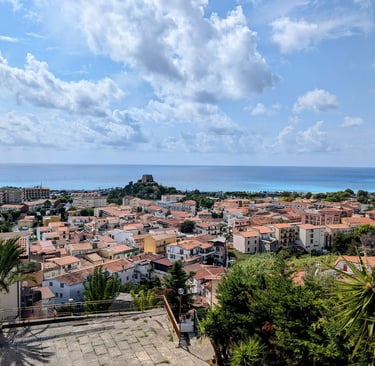
Before booking anything, think about what kind of trip you truly want. Italy can be many things, but not all at once. Do you want history, culture, museums, and iconic landmarks or ruins? Consider Rome and Florence. Dreaming of waking up in a hotel in a vineyard with rolling fields and cypress trees? Head to Tuscany and Umbria. Are you needing some sunshine and lazy beach days while sipping a spritz? The Amalfi Coast, Cinque Terre, Puglia, or Calabria welcome you and your swimsuit.
Or you may need a slower pace and quiet towns to sleep in, take leisurely walks, and immerse yourself in the Italian culture and language. Go to the villages that most people haven't heard of, like Tagliacozzo or Scanno. Go off the beaten path, and trust me, you will discover the most incredible, authentic Italian towns that you'll never forget.
When you plan a trip to Italy with limited opportunities to travel, it’s better to pair one major city with one slower region than to bounce between five cities in ten days. Or pick one to two regions and select a couple of towns in each to explore.
Plan Around Time, Not Just Places
Time is your most valuable currency, especially when trips are rare. Remember to factor in the time it takes to get from place to place so you can properly plan your hours for the day. A realistic pace looks something like this:
3–4 nights in major cities (Rome, Florence, Venice)
4–6 nights in one slower base (Tuscan countryside, coastal town, or hill village)
If you fly into a major city like Rome, start there. You will arrive (jetlagged) and check into your hotel. Take a minute to get settled and refreshed. Then hit the streets to wander around, grab some food, and get a feel for the city's vibe. Have a fabulous dinner and get a good night's sleep. The next morning, you can start early and see the sights. You'll be busy all day. Then the next day can be used to hone in on specific places you want to see and spend more time there. This allows for:
Wandering without a hectic agenda
Lingering over meals instead of rushing through them
Recovering from travel days - jetlag is real and can deter your plans
Discovering incredible places you didn’t plan for
Italy rewards those who leave space for spontaneity. Once I missed my train stop. I panicked at first and got very annoyed with myself. I had to get another train ticket to go back to my intended stop. There was time to spare, so I walked around the lovely little town, had some lunch, talked to locals, and ended up having an amazing time. It turned into an adventure instead of a mistake or inconvenience.
Travel Like a Local (Even If You’re There Briefly)
You don’t need weeks in Italy to travel well, you just need intention. A few ways to instantly elevate your trip:
Stay in one neighborhood, not different hotels every night
Shop at local bakeries and markets at least once
Plan one special experience (wine or olive oil tasting, cooking class, private tour)
Leave some mornings completely unplanned
These moments tend to be the ones you remember years later, especially the special experiences you choose. Pasta-making classes are particularly fun for families, and once you're done making the pasta, you get to enjoy it. You can then take those newfound skills back home to your kitchen.
Budget Smartly for a Once-Every-Few-Years Trip
When trips are rare, this isn’t the time to pinch pennies on everything, but it is the time to spend wisely. Plan ahead and put a little money away with each paycheck for your vacation. Here are some spending tips:
Worth the splurge:
Direct trains instead of multiple connections
Skip-the-line tours for major attractions
One unforgettable meal or experience
Save money by:
Traveling in the off-season (spring or fall)
Staying longer in fewer places
Booking apartments or agriturismos
A thoughtfully planned Italy trip often costs less than a rushed one.
Plan Early, but Don’t Over Plan
Italy trips benefit from planning and saving up, especially when you can only travel once every few years. Booking flights, accommodations, and major attractions early gives you peace of mind and lets you start mapping out your itinerary.
That said, resist the urge to schedule every single hour. And remember to leave room for:
Weather changes
Local recommendations
Slow mornings that turn into long lunches
Accept That You’ll Want to Go Back, and That’s Okay
No matter how carefully you plan a trip to Italy, you won’t see everything. And that’s not a failure, it’s part of Italy’s charm. You could spend an entire lifetime traveling throughout Italy and still not see and experience everything. What matters is that your trip feels full, not frantic. That you come home with memories, not regrets. Italy feels like a place you experienced, not just visited.
And if you leave already dreaming of the next time? That’s exactly how Italy is supposed to work. When you can only travel once every few years, your Italy trip deserves intention, balance, and breathing room. Plan slowly. Choose wisely. And trust that fewer places often lead to richer memories.
Italy isn’t going anywhere, but the way you experience it can make all the difference!
Burano, Italy
Contact
You Can Follow Me Here:
© 2026. All rights reserved.


Benevento
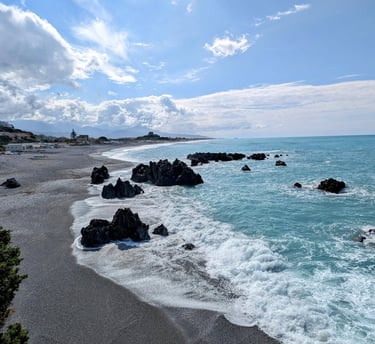
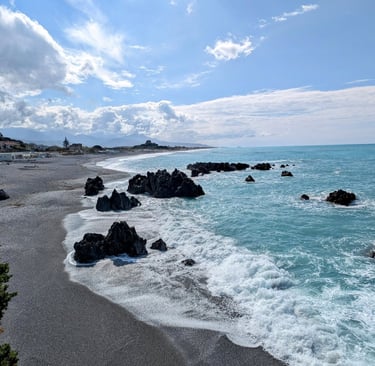
Scalea
Scalea