Inside the Trulli of Alberobello: Their History and Why Travelers Love Staying in Them
Discover the fascinating history of the trulli of Alberobello, how these unique stone homes were built, and why staying in a renovated trullo hotel or Airbnb is a must-do Italy experience.
4/16/20264 min read
*A little disclaimer: This post contains affiliate links. If you use these links to buy something, I may earn a small commission at no extra cost to you. Thanks!
The first time I saw photos of Alberobello, I honestly thought they looked fake. Like something built for a Star Wars theme park.
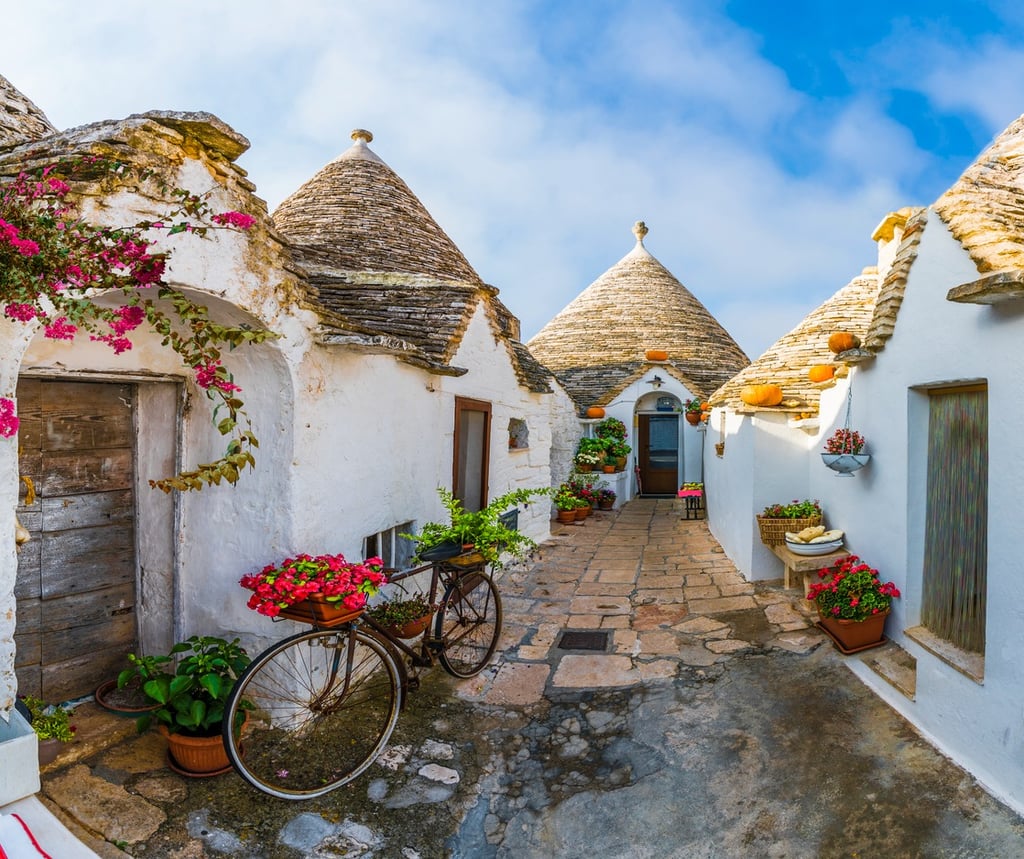
Tiny white stone houses. Cone-shaped roofs. Entire neighborhoods that look like they belong in a fairytale.
But what makes the trulli of Alberobello so fascinating isn’t just how they look; it’s the story behind them. Because these little houses weren’t originally built to charm tourists.
They were built to outsmart taxes. And somehow, centuries later, they’ve turned into one of the most unique places you can stay in all of Italy.
What Exactly Are the Trulli of Alberobello?
If you’ve never heard of trulli before, you’re definitely not alone.
A trullo (plural: trulli) is a small stone house with a cone-shaped roof, traditionally built using limestone found right in the surrounding countryside.
What makes them so unique is how they were built. No mortar. No cement. Just carefully stacked stones.
That dry-stone construction wasn’t just a creative building method ~ it had a purpose. And that purpose played a huge role in how Alberobello became what it is today.
The Clever Tax Loophole That Created Alberobello
Here’s where the history gets interesting.
Back in the 1600s, the area around Alberobello was controlled by feudal lords who wanted people to settle the land. But there was a problem. If a settlement became permanent, taxes had to be paid to the Kingdom of Naples.
So they came up with a workaround. Build homes that could be taken apart quickly.
The trulli were designed so they could be dismantled when tax inspectors came through, making it appear as if there were no permanent buildings at all.
No permanent homes meant no taxes. Pretty clever.
Eventually, the settlement grew too large to keep hiding, and the loophole ended. But by then, thousands of trulli had already been built, creating the distinctive look that defines Alberobello today.
From Simple Shelters to a UNESCO World Heritage Site
What started as a practical solution eventually became something historically significant.
In 1996, the trulli of Alberobello were named a UNESCO World Heritage Site, recognizing their cultural importance and unique architectural style.
And when you walk through the town today, it’s easy to see why. Entire hillsides are covered in white stone trulli, each topped with its cone-shaped roof.
Some roofs even feature mysterious painted symbols ~ another piece of history that still sparks curiosity today.
Walking through Alberobello feels less like sightseeing and more like stepping into another era.
How the Trulli Are Being Restored and Renovated Today
One of the most fascinating parts of Alberobello’s story isn’t just its past, it’s what’s happening now.
These historic homes aren’t being left to crumble. They’re being restored. Carefully and thoughtfully.
Many trulli have been renovated into:
Boutique hotels
Vacation rentals
Guesthouses
Cozy Airbnbs
Cafés and small shops
Instead of becoming forgotten relics, they’re being given new life while still preserving their original structure and character.
It’s actually pretty incredible to think that buildings once meant to be temporary are now being preserved as permanent pieces of history.
Why Staying in a Trullo Is Such a Unique Travel Experience
If you’re visiting southern Italy, staying in a trullo is something I’d recommend without hesitation.
Not just because it’s unique, but because it feels different from staying in a typical hotel.
Inside, many renovated trulli feature:
Thick stone walls that naturally keep the interior cool
Rounded ceilings that make rooms feel cozy
Modern bathrooms and kitchens
Updated interiors blended with historic charm
From the outside, they look centuries old. Inside, they feel comfortable and surprisingly modern.
And waking up inside one? It feels a little surreal ~ in the best possible way. Like you’re temporarily living inside a piece of history.
Why Travelers Are Falling in Love With Alberobello
Alberobello has a completely different feel from many larger Italian cities. It’s quieter. Slower. More relaxed.
You can wander narrow streets lined with trulli, stop for coffee in tiny cafés, and browse small shops filled with handmade goods and local souvenirs.
And it’s incredibly photogenic. Pretty much everywhere you turn feels like it belongs on a postcard. Rent a bike and explore the entire town.
One of the best things you can do here is simply walk. No schedule. No rush. Just wander and take it all in. And with it's convenient location, you can make Alberobello your base and then do day-trips to the surrounding towns.
Why Alberobello Belongs on Your Italy Bucket List
Italy is full of beautiful places, but Alberobello feels truly unique. It’s not just another pretty town. It’s a place with history, personality, and architecture you won’t find anywhere else in the world.
Between the fascinating backstory, the beautifully restored trulli, and the chance to actually stay inside one, it’s one of those destinations that feels special from the moment you arrive.
Not just somewhere you visit, but somewhere you remember... always.
Don’t Just Visit—Stay Overnight
If you’re planning to visit Alberobello, try not to rush through it.
Yes, it’s popular for day trips, but staying overnight completely changes the experience.
The crowds thin out. The streets get quiet, and the town feels peaceful in a way that’s hard to describe.
And waking up inside a trullo, stepping outside into those fairytale streets ~ it’s something you won’t ever forget. I promise.


Contact
You Can Follow Me Here:
© 2026. All rights reserved.


Benevento
Scalea
Scalea