Italian Gelato 101: Flavors, Ordering Tips, and Secrets Locals Know
Discover everything you need to know about authentic Italian gelato, including popular flavors, how to order in Italian, how to spot good gelato, and the mistakes tourists make when choosing a gelateria in Italy.
5/16/20264 min read


*A little disclaimer: This post contains affiliate links. If you use these links to buy something, I may earn a small commission at no extra cost to you. Thanks!
There are a few moments in Italy that never get old. Watching the sunset over the sea. Hearing church bells echo through an old stone piazza. Sitting at a tiny café with an espresso in hand.
And then there’s gelato.
Not the bright neon piles you see melting under tourist shop lights. Real Italian gelato. The kind that’s silky, creamy, rich with flavor, and somehow tastes like summer itself.
If you’re traveling to Italy, gelato is not just dessert. It’s part of daily life. Italians eat it while strolling through town after dinner, sitting on a bench in the piazza, or during an afternoon passeggiata with family and friends.
But here’s the thing most tourists don’t realize: not all gelato in Italy is good gelato.
So let’s talk about what real Italian gelato actually is, how it’s different from ice cream, the flavors worth trying, and how to order it like you know what you’re doing.
What Is Italian Gelato?
Gelato is Italy’s version of ice cream, but it’s very different from the American kind most of us grew up with.
It has less air whipped into it, which makes it denser and smoother. It’s also served at a slightly warmer temperature than traditional ice cream, so the flavors taste more intense and creamy.
Good gelato should taste natural and balanced. Pistachio should taste like actual pistachio (and it's pi-sta-kio, not pi-sta-shio). Lemon should taste bright and fresh, not like candy flavoring.
One of the things I love most about gelato in Italy is that even simple flavors somehow taste unforgettable.
How to Tell If Gelato Is Actually Good
This is probably the most important thing to know before ordering.
Some gelaterias are incredible. Others are tourist traps selling artificially flavored gelato that looks prettier than it tastes.
Here are a few ways to spot the good stuff.
Avoid the Giant Puffy Mountains of Gelato
If the gelato is piled sky-high in dramatic swirls overflowing from the containers, that’s usually not a good sign.
Real gelato is stored flatter because it doesn’t contain as much air or stabilizers.
Ironically, the prettier the display looks, the more suspicious I usually become. However, I have tried those dramatic gelato peaks, and they are still pretty darn good!
Bright Colors Are Usually a Red Flag
Banana gelato should not be neon yellow. Mint should not glow green. Pistachio definitely should not look radioactive.
Authentic gelato tends to have softer, more natural colors because it’s made with real ingredients instead of artificial dyes.
Pistachio is one of the easiest ways to tell. Real pistachio gelato is usually a muted brownish-green color, not bright green.
Watch the Locals
One of the best travel tips in Italy honestly applies to almost everything: go where the Italians go.
If a gelateria is packed with locals in the evening, you’re probably in the right place.
Common Italian Gelato Flavors You Should Try
There are the classic flavors everyone knows, but Italy also has some regional and traditional flavors worth stepping outside your comfort zone for.
Here are some of the most common gelato flavors you’ll see:
Classic Cream-Based Flavors
Pistacchio (Pistachio)
Nocciola (Hazelnut)
Stracciatella (Cream with chocolate shavings)
Fior di Latte (Sweet milk cream)
Cioccolato (Chocolate)
Bacio (Chocolate and hazelnut)
Crema (Custard-like cream flavor)
Fruit Flavors
Limone (Lemon)
Fragola (Strawberry)
Pesca (Peach)
Mango
Melone (Melon)
Frutti di Bosco (Mixed berries)
Fruit flavors are often dairy-free (but not always) and incredibly refreshing during hot Italian summers.
How to Order Gelato in Italian
Ordering gelato in Italy is pretty simple, but learning a few words makes the experience feel a lot more fun.
Here are a few basics:
Useful Italian Phrases
“Un cono, per favore.”
A cone, please.
“Un cono da due gusti, per favore.”
A cone, two flavors, please.
“Una coppetta, per favore.”
A cup, please.
“Posso assaggiare?”
Can I taste it?
“Vorrei”
I would like
"Piccolo, medio, grande"
Small, medium, large
“Un gusto.”
One flavor.
“Due gusti.”
Two flavors.
“Tre gusti.”
Three flavors.
“Quanto costa?”
How much does it cost?
Most gelaterias let you choose 2–3 flavors, depending on the size.
And yes, sampling flavors before ordering is completely normal.
Cone or Cup?
This is entirely personal preference. Some gelaterias also dip the inside of the cone in melted chocolate before adding the gelato, which honestly feels life-changing the first time you try it.
The Difference Between Gelato and Ice Cream
People often use the words interchangeably, but they really are different.
Gelato:
Contains less fat
Has less air whipped into it
Is served warmer
Has a denser texture
Tastes more flavorful and creamy
American ice cream tends to be colder, fluffier, and heavier on cream.
Neither is necessarily better. But once you’ve had truly good gelato in Italy, regular ice cream starts feeling a little disappointing.
When Italians Eat Gelato
Pretty much anytime. But especially after dinner.
In many Italian towns, evenings revolve around the passeggiata ~ the slow evening walk through town where everyone comes out to socialize. Gelato naturally becomes part of that ritual.
One of my favorite memories in Italy is honestly just sitting in a piazza at night with gelato melting faster than I could eat it while listening to conversations around me, and people-watching.
It’s one of those little everyday Italy moments that becomes unforgettable.
Don't Skip the Gelato
Gelato in Italy is one of those things that sounds simple until you experience the real version of it. It’s not just dessert. It’s culture. It’s routine. It’s part of daily life.
And once you learn how to spot authentic gelato, you’ll start noticing the difference immediately.
So skip the neon-colored tourist traps. Find the tiny local gelateria with natural colors, seasonal flavors, and a line of Italians outside.
Then order a cone, wander through an old piazza at sunset, and enjoy one of the simplest and best parts of being in Italy.
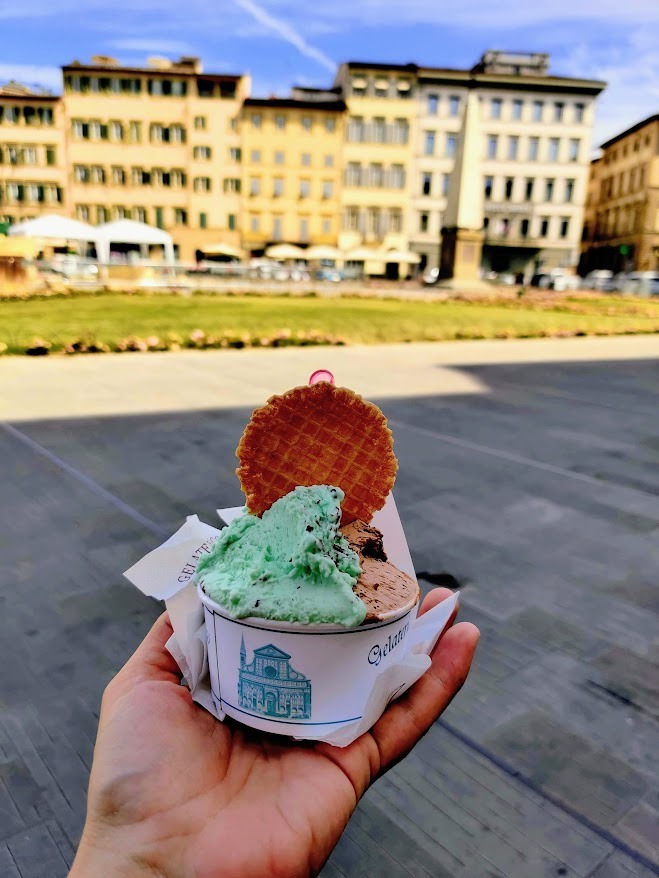
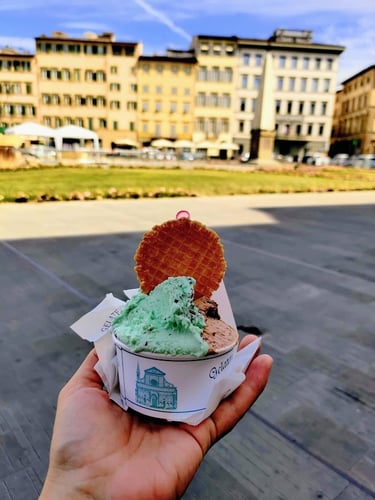
Enjoying my gelato in Florence (con due gusti)
Contact
You Can Follow Me Here:
© 2026. All rights reserved.


Benevento
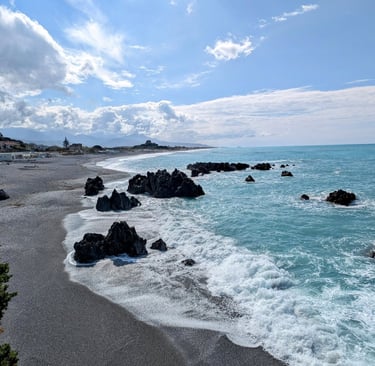
Scalea
Scalea