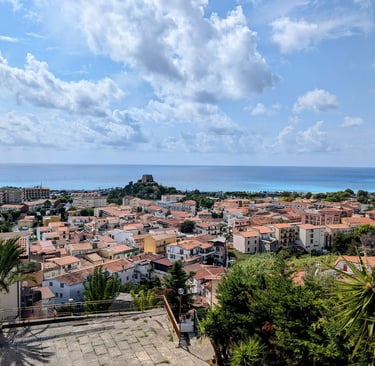
Searching for Your Italian Roots: How to Find Your Family's Town in Italy
Trying to find your Italian ancestral town? Learn how I traced my family's roots in Calabria with just one clue, found my ancestors, and began my successful Italian dual citizenship journey.
6/25/20265 min read
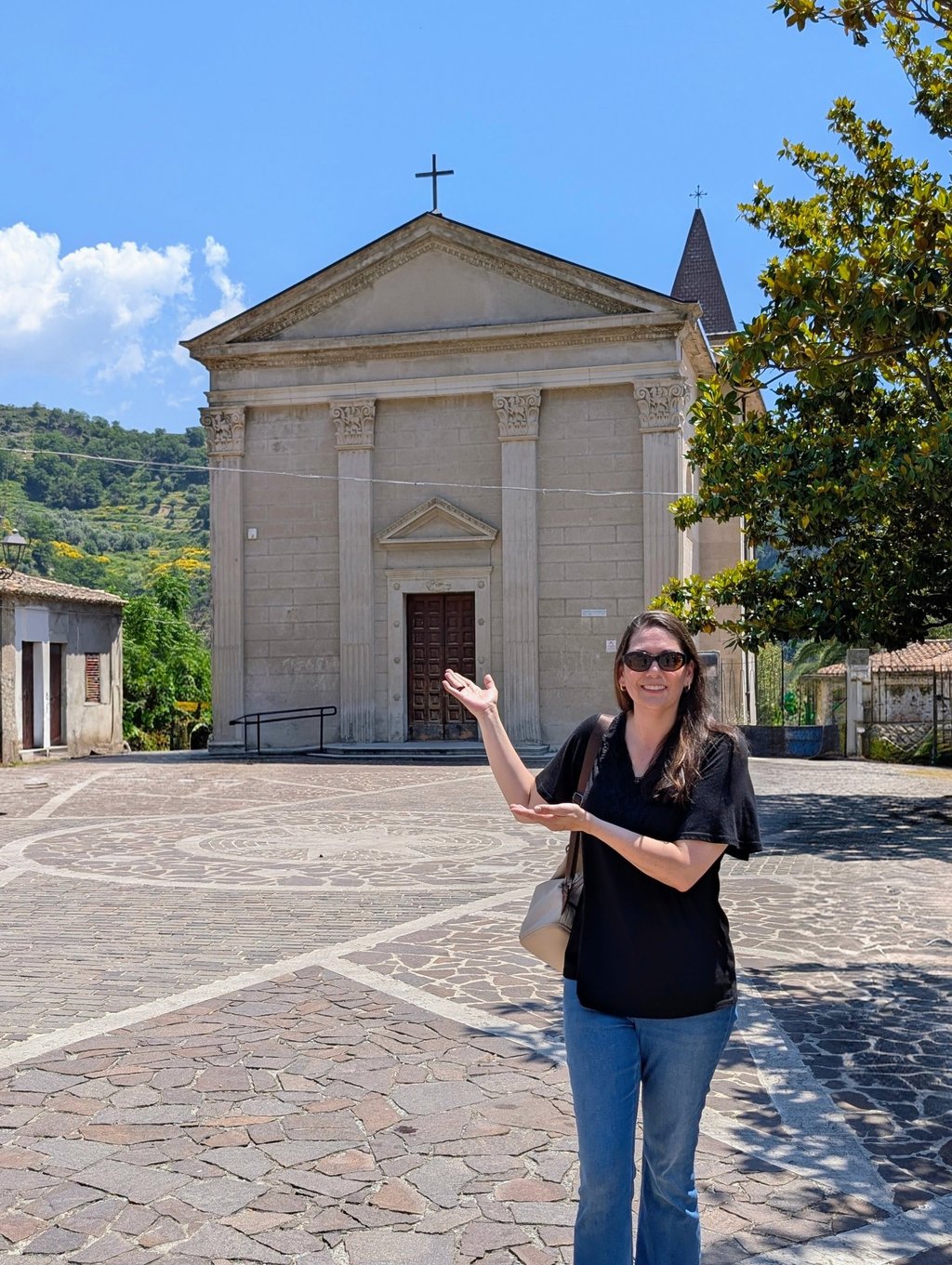
(Photo of me, standing outside my family's church in Grotteria, Italy ~ Calabria)
One of the questions I get asked all the time is: "How do I figure out what town my family came from in Italy?"
If you're trying to apply for Italian dual citizenship, build your family tree, or simply reconnect with your Italian heritage, finding your ancestral town is one of the most important first steps.
The problem?
Many families only know that their relatives came from "Italy." Maybe someone remembers hearing "Calabria" or "Sicily," but nobody knows the exact town anymore.
That was exactly my situation. Here's how I found my family's hometown and how you can do the same.
Start With Everything Your Family Already Knows
Before jumping online, write down every tiny detail your family remembers... and do this before people start passing away. I didn't start digging into my family tree until after my grandmother passed away, so I did not have a lot of answers to my questions.
Ask parents, grandparents, aunts, uncles, and cousins questions like:
Where did great-grandpa say he was from?
What language or dialect did they speak?
Did they mention any nearby cities?
Did they have old letters from Italy?
Are there family Bibles, passports, naturalization papers, or photographs?
Even if someone only remembers a single word, don't dismiss it. Sometimes one tiny clue is all you need.
My Only Clue Was "Calabria"
Growing up, I always knew my family came from Calabria. That was it.
Calabria isn't exactly a small place. There are hundreds of towns spread throughout the region, so "Calabria" wasn't enough to begin requesting records or applying for citizenship.
I needed something more specific.
Search Historical Records on Ancestry
My next stop was Ancestry.com.
I started digging through every document I could find connected to my family. Don't just look at census records.
Look for:
Draft registration cards
Passenger manifests
Naturalization records
Birth certificates
Marriage licenses
Death certificates
Immigration records
Obituaries
U.S. Census records (which can give many clues)
Every document has the potential to reveal a hometown. Eventually, I found one that changed everything.
It was my great-uncle's World War I draft registration card. Under birthplace, it simply said:
"Jusso, Calabria."
I was thrilled. Until I searched for it. There was no town called Jusso.
Don't Be Afraid to Ask for Help
At first, I assumed I had hit another dead end. Then I had an idea.
I posted a picture of the document in a Facebook group dedicated to Calabria and asked if anyone recognized the town name.
Within hours, complete strangers started responding.
Several people believed "Jusso" wasn't actually a town at all—it was likely a phonetic spelling of Gioiosa Ionica.
Honestly, I never would have figured that out on my own.
Sometimes people who live in the region or who research local genealogy can recognize old spellings, dialect pronunciations, or handwriting that would completely stump the rest of us.
Never underestimate the power of genealogy communities. Get on Facebook and join these groups. I could not have done this without their help!
Start Searching the Suggested Town
Once I had Gioiosa Ionica as a possibility, everything started falling into place.
I searched records for my family's last names in Gioiosa Ionica. Then I searched nearby towns.
That's when I started finding my relatives. Not only in Gioiosa Ionica…
…but also in Grotteria.
Seeing my family's names appear in those records was one of the most exciting moments of my genealogy journey.
After months of searching, I finally knew where my family came from.
That discovery opened the door to everything that followed.
That One Discovery Led to Italian Citizenship
Finding my ancestral towns wasn't just exciting from a family history perspective.
It became the foundation for my Italian dual citizenship application.
Once I knew where my family came from, I was able to locate the Italian records I needed, continue building my family tree, and eventually complete the citizenship process.
Today, I'm officially an Italian dual citizen.
It's amazing to think that the journey started with one document, one confusing word, and a Facebook post asking strangers for help.
Other Places to Search for Your Italian Town
If you're still searching, don't give up. Try checking:
Ellis Island passenger records
National Archives naturalization records
State death certificates
Marriage licenses
Obituaries
Church baptism records
Cemetery records
Old passports
Military draft registrations
Sometimes the same person appears on several documents, and only one of them includes the hometown.
Tips That Can Save You Hours of Research
Search Nearby Towns
Families often moved between neighboring villages.
If you find one relative in a town, don't stop there. Check every surrounding comune as well.
Expect Misspellings
Italian names were often spelled phonetically when immigrants arrived in America. My family was Mercuri, and upon arrival, it was changed to Mercurio.
Town names can also be misspelled because of accents, dialects, or difficult handwriting.
Be flexible with spelling. Pretty much every single document I had for my Italian citizenship application had misspellings. Not fun, but it's extremely common.
Join Regional Facebook Groups
This was one of the biggest breakthroughs in my own search.
There are Facebook groups dedicated to nearly every region of Italy. The people there often recognize local history, dialects, and old place names that don't appear on modern maps.
I connected with several people from my family's town, which led to an incredible experience. When I finally was able to visit the town, I had a willing tour guide who showed us around, explained the history, looked up where my family lived, and found their documents at the comune. I am forever grateful for Umberto's gracious assistance.
Don't Assume Every Record Is Correct
I've found documents with incorrect birth years, incorrect spellings, and even different versions of family names.
Treat every record like one piece of a larger puzzle.
Your Family Story Is Waiting
If all you know is that your family came from "Italy" or "Calabria," don't let that discourage you.
Mine started exactly the same way. One draft card led to one mysterious town name.
One Facebook post gave me a new direction.
That single clue eventually led me to Gioiosa Ionica, Grotteria, my family's history, and ultimately my Italian citizenship.
You never know which tiny piece of information is going to unlock your entire family story.
So keep searching. Ask questions. Follow every clue.
Your family's hometown might be closer than you think... then, go visit it!
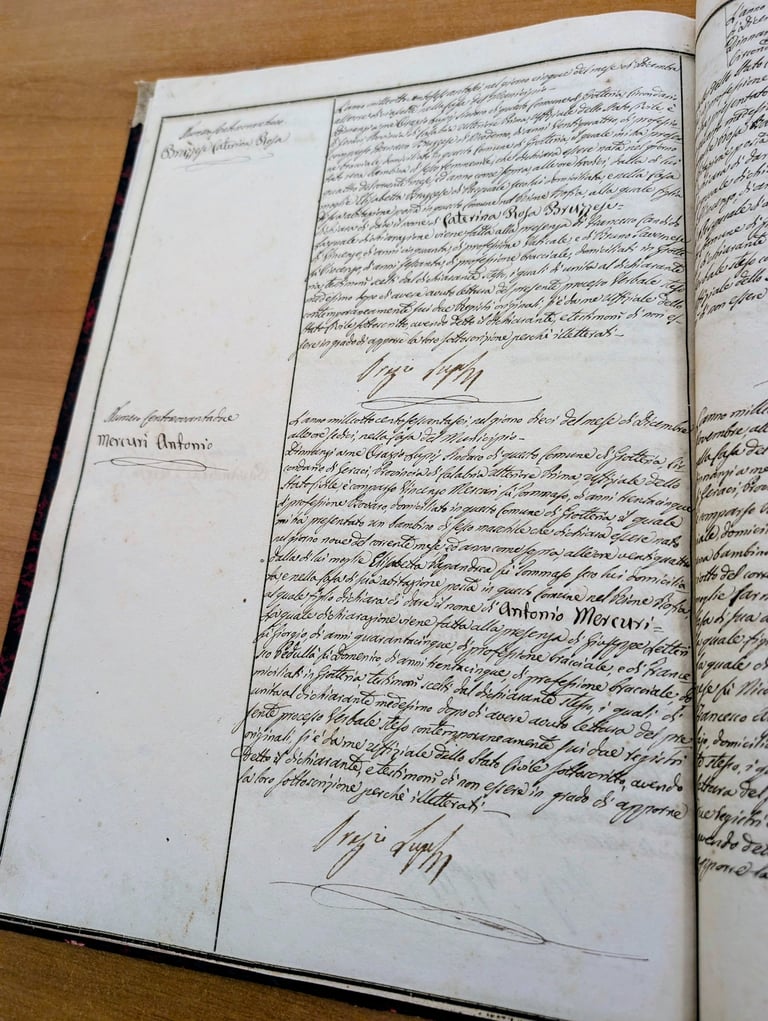
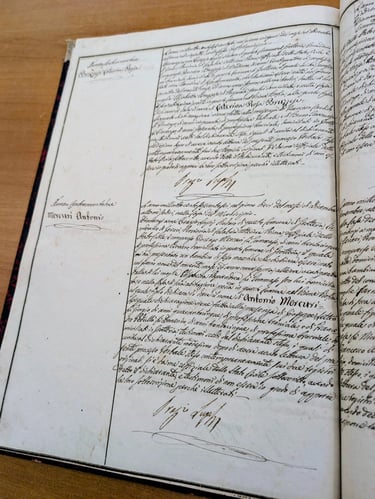
My 2nd Great-Grandfather's Handwritten Birth Record at the Comune in Grotteria, Calabria.
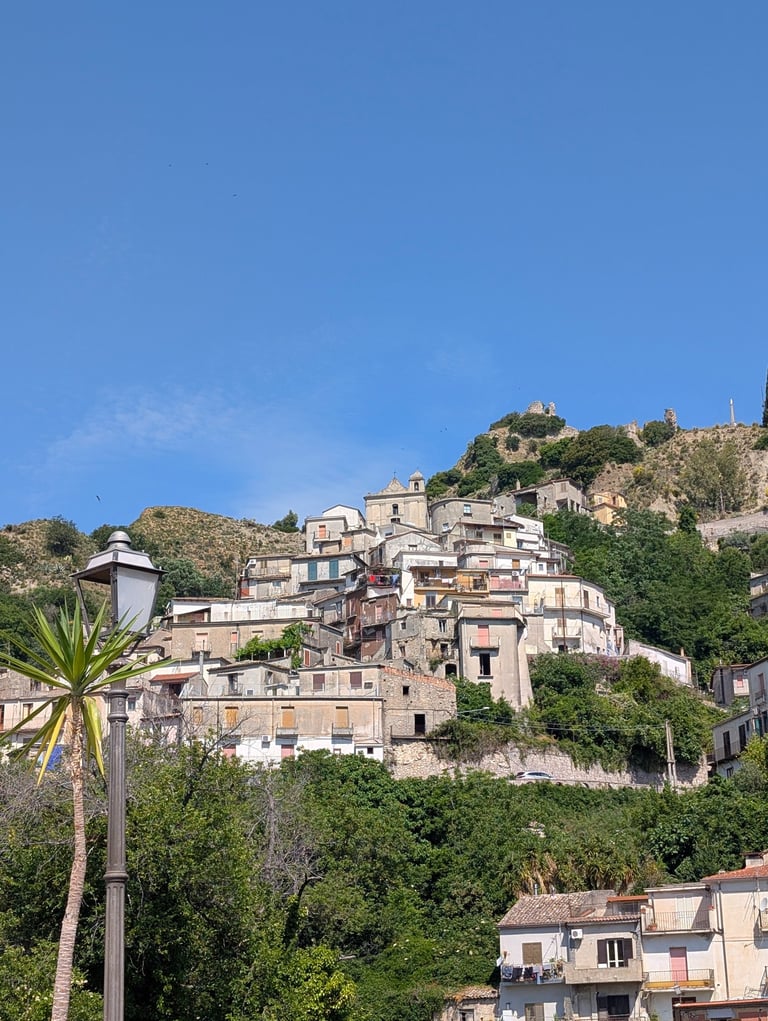
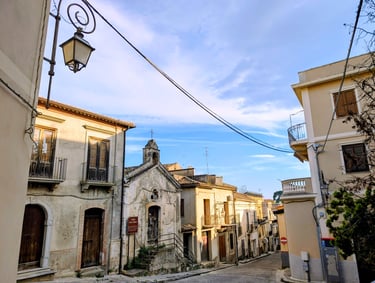
Grotteria, Italy in Calabria.
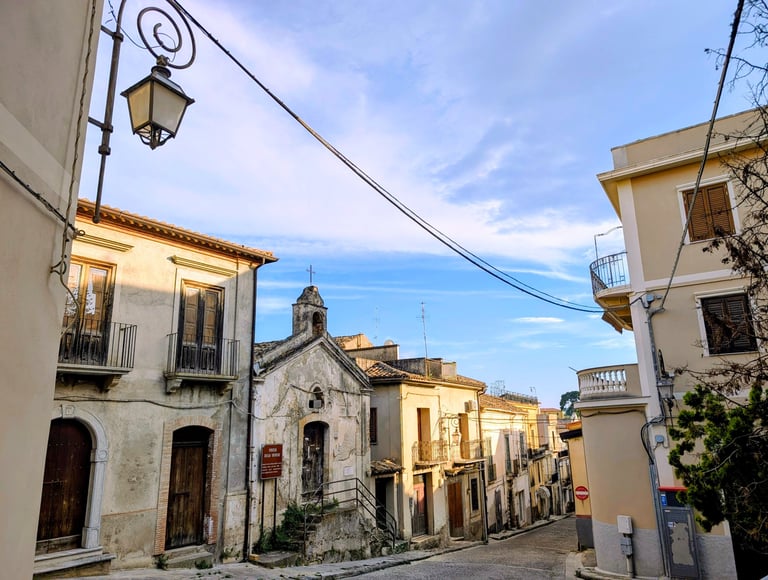
Gioiosa Ionica, Italy in Calabria.
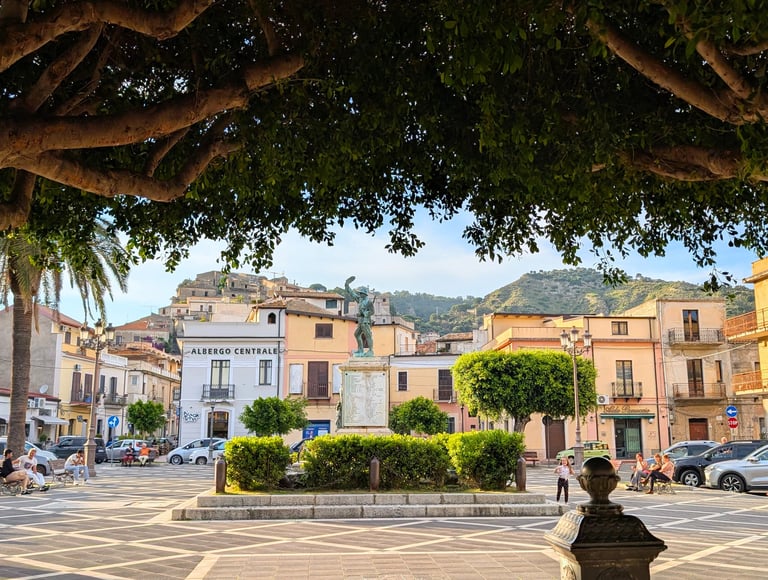
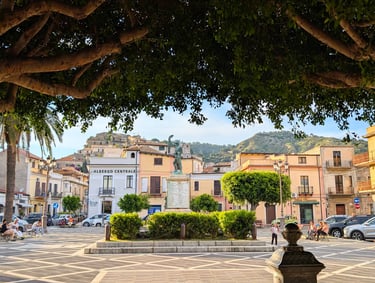
Piazza Vittorio Veneto in Gioiosa Ionica, Calabria.
Contact
You Can Follow Me Here:
© 2026. All rights reserved.


Benevento
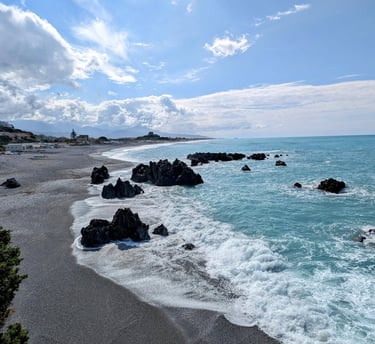
Scalea
Scalea