The Complete Venice Travel Guide for First-Time Visitors
Planning a trip to Venice, Italy? Discover the best things to do, where to stay and eat, how to get there, the best time to visit, and helpful travel tips. A complete Venice, Italy travel guide.
11/2/202628 min read


*A little disclaimer: This post contains affiliate links. If you use these links to buy something, I may earn a small commission at no extra cost to you. Thanks!
Venice (Venezia) is one of those places that almost doesn't seem real until you're standing there yourself. Picture colorful buildings lining narrow canals, gondolas gliding under old stone bridges, little cafés and restaurants tucked into a piazza, and beautiful architecture that looks like a painting. It's a city unlike anywhere else in the Italy, and there's a reason it continues to draw visitors from all over the world.
But there's more to Venice than St. Mark's Square and a gondola ride. The city has fascinating history, incredible food, charming neighborhoods, and islands that are well worth exploring. You can spend your days visiting famous landmarks and your evenings wandering through little streets, stopping for a glass of wine and a plate of cicchetti along the way.
Venice can also be crowded, expensive, and a little confusing to navigate if it's your first visit. Knowing where to stay, how to get around, and which attractions are worth your time can make a big difference. So, if you're planning a trip to Venice, Italy, this guide covers everything you need to know, from the best things to do and where to eat to transportation, accommodations, the best time to visit, and a few practical tips to help you make the most of your stay.
Where Is Venice, Italy?
Venice is in northeastern Italy, in the Veneto region, sitting within a lagoon along the Adriatic Sea. The historic city is built across a group of islands connected by bridges and canals, which is what makes it so different from other Italian destinations.
Instead of cars and roads throughout the historic center, you'll find boats, waterways, pedestrian streets, and hundreds of bridges. Even getting from one neighborhood to another can feel like an adventure, especially when you take a wrong turn and stumble upon a beautiful little canal you weren't expecting to find.
Venice is also a convenient stop on a larger Italian itinerary. You can combine it with Verona, Lake Garda, Milan, Bologna, Florence, or the Dolomites, depending on how much time you have.
The main historic city is what most visitors picture when they think of Venice, but the surrounding lagoon has several other islands worth visiting, including Murano, Burano, and Torcello.
How Many Days Do You Need in Venice?
I'd recommend spending two to three days in Venice if it's your first visit. One day gives you enough time to see a few of the major sights, but you'll probably feel rushed. Between navigating the streets, waiting for attractions, and stopping to enjoy the city, time passes quickly. Here's how I'd plan it:
One day: Visit St. Mark's Square, St. Mark's Basilica, the Doge's Palace, Rialto Bridge, and the Grand Canal. You'll need to prioritize.
Two days: Explore the main landmarks on the first day and spend the second exploring neighborhoods, enjoying Venetian food, and visiting a museum or taking a gondola ride.
Three days: Add a trip to Murano and Burano, or spend more time exploring the quieter parts of Venice.
Four days or longer: Enjoy a slower pace, visit additional museums and churches, or take a lagoon excursion.
If Venice is part of a longer Italy trip, two nights can work well. However, if you have the time, I'd try to stay at least three nights.
Best Things to Do in Venice, Italy
There are plenty of things to do in Venice. These are the attractions and experiences I'd put near the top of your list:
1. Visit St. Mark's Square (Piazza San Marco)
St. Mark's Square (Piazza San Pietro) is one of Venice's most famous landmarks and a natural starting point for a first visit. The large open square is surrounded by historic buildings, cafés, and some of the city's most recognizable architecture.
The square is home to St. Mark's Basilica, the Campanile, and the Doge's Palace, so you can see several major attractions in one area. It's beautiful, but it's also one of the busiest parts of Venice. I'd recommend visiting early in the morning if you want to enjoy the architecture and take pictures without as many people around.
You can also return in the evening, when the cafés are lit up and the atmosphere feels completely different. Sitting outside with a coffee or aperitivo can be expensive here, but it's a lovely experience if you want to treat yourself.


St. Peter's Square in Venice
2. Tour St. Mark's Basilica
St. Mark's Basilica, or Basilica di San Marco, is one of the most remarkable churches in Italy. Its Byzantine-inspired architecture, golden mosaics, domes, and elaborate decorations make it stand out even among Italy's many beautiful churches.
The interior is especially impressive, with gold-covered mosaics that tell biblical stories and reflect Venice's historic connections with the Eastern Mediterranean.
If you enjoy history, art, or architecture, it's well worth going inside rather than simply admiring the exterior.
Book your admission ahead of time, especially if you're visiting during spring, summer, or a holiday period. Depending on the ticket you choose, you may also be able to visit additional areas, such as the museum and the terrace overlooking the square.
Remember that this is an active religious site, so dress respectfully and check the current rules before visiting.


St. Mark's Basilica
3. Explore the Doge's Palace (Palazzo Ducale)
Right next to St. Mark's Basilica is the Doge's Palace, one of Venice's most important historic buildings.
For centuries, the palace served as the center of political power in the Venetian Republic. Today, visitors can walk through the halls, admire elaborate ceilings and artwork, and learn more about the city's history.
The rooms are beautiful, but what makes this attraction particularly interesting is the story behind them. Venice was once a powerful maritime republic, and the palace gives you a glimpse into how its government operated.
One of the highlights is crossing the famous Bridge of Sighs, which connected the palace to the prison complex. The bridge's name is traditionally associated with prisoners sighing as they caught their last glimpses of Venice before being taken to their cells.
You can see the bridge from the outside without buying a palace ticket, but crossing it from inside requires admission to the Doge's Palace.
I'd allow around two hours for a visit, especially if you enjoy taking your time with historic sites. Booking ahead is a good idea.


Doge's Palace, Venice, Italy
4. Cross the Rialto Bridge
The Rialto Bridge is probably the most recognizable bridge in Venice, and it's worth seeing even if you've already looked at a dozen pictures of it. The stone bridge crosses the Grand Canal and has shops built along it, with views of boats moving through the water below.
It can get very crowded, especially during the middle of the day, but the views are wonderful. If you want a less hectic experience, try going early in the morning or later in the evening. After crossing the bridge, explore the surrounding streets. This area is full of shops, restaurants, little food markets, and places to stop for a snack.
The nearby Rialto Market is also worth a visit if you're interested in seeing the local food scene. The market is particularly lively in the morning, although opening days and hours vary by stall and market section.


Rialto Bridge in Venice
5. Take a Gondola Ride Through Venice's Canals
Can you visit Venice without taking a gondola ride? Of course, but if it's something you've always wanted to do, I think it's worth considering at least once.
Gondolas are one of the city's most recognizable symbols, and gliding through the canals gives you a different perspective on Venice. You'll pass old buildings, tiny bridges, and waterways that you might not otherwise see on foot.
The route depends on where you start, and not every gondola ride follows the same path. Some travel through smaller canals, while others include stretches of the Grand Canal.
Gondola rides are priced by an official tariff, generally for the boat rather than per passenger, with higher rates for evening rides. The standard daytime tariff has been around €90 for a 30-minute ride and the evening tariff around €110 for 35 minutes, but confirm the current rates before boarding.
If you're traveling with a group, you can share the cost, subject to the gondola's passenger limit. If you're traveling solo or as a couple, it can be a more expensive activity per person.
A private gondola ride isn't essential to enjoying Venice, but it can be a memorable experience. If it's outside your budget, walking alongside the canals and watching the gondolas pass is lovely, too.


Riding in a gondola through the canals of Venice
6. Walk Along the Grand Canal
The Grand Canal is Venice's main waterway, winding through the city past historic palaces, churches, hotels, and colorful buildings.
You don't have to book an expensive boat tour to enjoy it. One of my favorite budget-friendly suggestions is to take a public vaporetto, which is Venice's water bus system, along the canal.
Line 1 is especially useful because it makes frequent stops along the Grand Canal, allowing you to admire the buildings and bridges from the water. It takes longer than some faster routes, but the journey itself is part of the experience.
You can also walk along sections of the canal, stop at waterfront viewpoints, or sit at a café and watch the boats go by.
If you're trying to keep costs down, the public water bus is a practical way to combine transportation with sightseeing.


The Grand Canal, Venice, Italy
7. Visit the Bridge of Sighs
The Bridge of Sighs is a small but famous landmark connecting the Doge's Palace to the former prison. It's enclosed, with small stone windows, and its pale exterior looks particularly beautiful against the surrounding water and historic buildings.
You can get a great view from Ponte della Paglia, the bridge near the waterfront promenade beside the palace. This is one of the most popular places to photograph it. If you're visiting the Doge's Palace, you'll also have the opportunity to cross the Bridge of Sighs from the inside. It's a quick stop, so it's easy to add to your itinerary while exploring St. Mark's Square.


The Bridge of Sighs
8. Explore Cannaregio
If you want to experience a different side of Venice, spend some time in Cannaregio. This neighborhood is north of the main tourist center and has a more everyday feel in many of its streets. You'll find residential canals, small shops, local restaurants, wine bars, and places where people gather for an evening aperitivo.
The Fondamenta della Misericordia is a good area to explore if you're looking for restaurants and bars along the canal.
Cannaregio is also home to the historic Jewish Ghetto, an important part of Venice's history. You can explore the neighborhood's squares, learn about its Jewish heritage, and visit the museum or synagogues through available tours.
This is a good place to wander without a strict itinerary. Turn down a side street, cross a bridge, and see what you find.


Cannaregio neighborhood
9. Visit the Colorful Island of Burano
If you have an extra day in Venice, I'd seriously consider visiting Burano. It's famous for its brightly colored houses, canals, and lace-making tradition. The buildings are painted in vivid shades of pink, yellow, blue, green, and orange, making the island one of the most photogenic places in the Venetian Lagoon.
It's a wonderful place to walk around, take pictures, browse small shops, and enjoy a meal away from the busiest parts of central Venice.
Burano is also known for its traditional lace-making. If you're interested in local crafts, look for genuine handmade lace rather than assuming every lace item sold in a tourist shop was made on the island.
Allow at least half a day for your visit, including travel time. You can reach Burano by public water bus, and the journey is part of the experience.


The beautiful & colorful island, Burano
10. Watch Glassblowing in Murano
Murano is another popular island in the Venetian Lagoon, known around the world for its glassmaking. You've probable of Murano glass.
Glass production became closely associated with Murano centuries ago, and the island still has workshops, galleries, and shops showcasing the craft.
One of the most interesting things to do here is watch a glassblowing demonstration. Seeing an artisan shape molten glass into a finished piece is fascinating, and it gives you a better appreciation for the skill involved.
Some demonstrations are free with a shop visit, while others charge an admission fee. Check what's included before booking. You can also visit the Murano Glass Museum to learn more about the history of Venetian glassmaking.
If you're shopping for glass, ask about authenticity and origin. Murano glass is a traditional craft, but not everything labeled as Venetian glass is necessarily handmade on the island.
Murano and Burano can be combined in one day, although you'll want to check boat schedules and allow enough time to enjoy both.


Murano glass demonstration on the island of Murano
11. Visit Torcello for a Quieter Lagoon Experience
Torcello is a good choice if you want to get away from the busiest parts of Venice and see a quieter side of the lagoon. The island was one of the earliest important settlements in the Venetian Lagoon, long before Venice developed into the city we know today.
Today, it's much quieter than Murano and Burano, with green spaces, walking paths, and historic religious buildings. The Cathedral of Santa Maria Assunta is the main attraction, known for its Byzantine mosaics. Check current opening times and admission arrangements before visiting.
Torcello works particularly well as an extension of a Murano and Burano day trip if you're interested in history and don't mind spending more time traveling between islands.


The quieter island of Torcello
12. Visit the Peggy Guggenheim Collection
Venice isn't just about historic architecture and Renaissance art. If you enjoy modern art, the Peggy Guggenheim Collection is worth adding to your itinerary.
Located in the Palazzo Venier dei Leoni along the Grand Canal, the museum houses an impressive collection of modern European and American art. You'll find works associated with artists such as Picasso, Pollock, Dalí, and Magritte, among others.
It's a nice change of pace if you've already visited several churches and historic palaces. The setting along the Grand Canal is beautiful, too.
13. Climb the Campanile for Views Over Venice
If you want a breathtaking view of Venice, head to the Campanile di San Marco, the bell tower in St. Mark's Square. It has panoramic views over the city's rooftops, the lagoon, and the surrounding islands.
On a clear day, you can appreciate just how unusual Venice's layout is, with its clusters of buildings separated by waterways. It's also a great way to get your bearings before exploring more of the city. And don't worry, there's an elevator!
Check the current opening times, ticket prices, and weather-related closures before you go. Booking ahead may help you avoid waiting during peak periods.


Campanile di San Marco
14. Take a Walk Through Dorsoduro
Dorsoduro is another neighborhood I'd make time for, especially if you enjoy art, architecture, and a slightly more relaxed atmosphere. It's home to the Peggy Guggenheim Collection, the Gallerie dell'Accademia, beautiful churches, and the striking Basilica di Santa Maria della Salute near the entrance to the Grand Canal.
Campo Santa Margherita is a popular square for cafés, casual dining, and evening drinks. It's also associated with Venice's university community, which gives the area a lively feel.
Spend some time wandering the smaller canals and walking along the waterfront.


Basilica di Santa Maria della Salute in the Dorsoduro neighborhood
15. Enjoy an Evening Aperitivo
One of the things I love about Italian culture is how much importance is placed on enjoying food and spending time together. Venice is a great place to experience that through its aperitivo tradition.
An aperitivo is a pre-dinner drink, often accompanied by small snacks. In Venice, those snacks are commonly called cicchetti.
You'll find them in traditional wine bars known as bacari. Depending on the place, you might see small sandwiches, seafood, marinated vegetables, meatballs, or other little bites displayed behind the counter.
Order a spritz or a glass of wine, choose a few cicchetti, and enjoy a slower part of your day. It's also a good way to sample several Venetian specialties without committing to a large restaurant meal.
For a more local-feeling experience, look beyond the busiest streets around St. Mark's Square and Rialto Bridge. Neighborhoods such as Cannaregio and Dorsoduro have plenty of places to explore.


Enjoy an aperitivo with an incredible canal view in Venice
16. See Venice After Dark
Don't spend all your time in Venice sightseeing during the day and then head straight back to your hotel. The city has a different atmosphere after dark. The narrow streets become quieter, the lights reflect off the canals, and the buildings look especially beautiful against the evening sky.
Take a walk along the Grand Canal, cross a few bridges, or find a small restaurant away from the busiest areas for dinner. Just remember that the streets can be confusing, so keep your hotel address handy and check your route before heading out.


Venice after dark is even more magical
Where to Eat in Venice, Italy
Venice has plenty of wonderful food, but like any popular tourist destination, you'll find restaurants that cater primarily to visitors. Some are worth the splurge, while others charge high prices for fairly ordinary meals.
My advice is to look for places that specialize in Venetian dishes, explore neighborhoods away from the busiest attractions, and leave a little room in your itinerary for an impromptu stop at a wine bar.
Here are some foods to try and restaurants to consider when planning your trip.
What Food Is Venice Known For?
Venetian cuisine has strong connections to the lagoon, the Adriatic Sea, and the city's history as a major trading center. Seafood features heavily on many menus, but there are plenty of other dishes to try.
Here are a few specialties to look for:
Cicchetti: Small bites served at Venetian wine bars. They're perfect for sampling different foods over a drink or two.
Sarde in saor: Sardines prepared with onions, vinegar, raisins, and pine nuts. The sweet-and-sour combination is a traditional Venetian specialty.
Risotto al nero di seppia: Creamy risotto made with cuttlefish ink, giving it a distinctive black color.
Bigoli in salsa: Thick pasta traditionally served with an anchovy and onion sauce.
Baccalà mantecato: A creamy whipped salt-cod spread often served on bread or polenta.
Fegato alla veneziana: Venetian-style liver cooked with onions, a traditional dish for adventurous eaters.
Fritto misto: A mix of fried seafood, often including fish, shrimp, and squid.
Tiramisù: Although its exact origins are debated, this famous Italian dessert is closely associated with the Veneto region.
And, of course, there's gelato. You can always find an excuse for another scoop while exploring Venice! And if you're a true foodie, taking a Venetian street food tour is an excellent way to truly experience food in Venice.


Gelato tastes a little bit better while wandering the streets of Venice
Restaurants to Consider in Venice
Here are a few places worth researching for your trip. Each offers a slightly different experience, from traditional Venetian dishes to a meal on one of the lagoon islands.
1. Osteria alle Testiere
A small, well-known restaurant specializing in seafood. It's a good option if you want a more intimate dining experience and are interested in Venetian seafood dishes. Reservations are strongly recommended.
2. Cantina Do Mori
One of the historic bacari near the Rialto area. Consider stopping here for wine and cicchetti rather than planning a full sit-down dinner.
3. Trattoria Al Gatto Nero
A traditional restaurant on Burano known for seafood and Venetian lagoon cuisine. It makes a lovely lunch stop if you're spending part of the day exploring the island.
4. Osteria alla Staffa
A traditional-style Venetian restaurant worth considering for a relaxed meal featuring regional dishes.
5. Ristorante Quadri
If you're celebrating something special or want an upscale dining experience, this restaurant overlooking St. Mark's Square is worth a look. Expect a considerably higher bill than you would at a neighborhood trattoria.
Menus, prices, and opening schedules can change, so check each restaurant's current details before making plans.
One more suggestion: don't feel as though every meal needs to be a big restaurant experience. Grab a pastry and coffee in the morning, sample cicchetti for lunch, and enjoy a leisurely dinner in the evening. That gives you more opportunities to try different things without spending a fortune.
Where to Stay in Venice
Choosing where to stay in Venice can be a difficult choice. The historic center is spread across different neighborhoods, and staying in the right area can save you time walking back and forth between attractions.
You'll find everything from luxury palaces and boutique hotels to simple guesthouses and apartments. Here are the areas I'd consider first:
1. San Marco: Best for First-Time Visitors
If this is your first trip to Venice and you want to be close to the major attractions, San Marco is a convenient choice. You'll be within walking distance of St. Mark's Basilica, the Doge's Palace, the Campanile, and many of the city's best-known landmarks.
The downside is that accommodation and restaurants in this area can be expensive, and the streets around the main attractions get very busy. Still, if your budget allows, staying here can make a short visit easier.
Look at properties such as the highly rated Sina Palazzo Sant'Angelo for a relaxing and romantic stay or Hotel Saturnia & International for a beautiful and traditional hotel experience.
2. Cannaregio: Best for a More Local Feel
Cannaregio is one of my favorite areas to recommend to travelers who want to explore beyond the main tourist routes. There are lovely canals, neighborhood cafés, wine bars, and restaurants, and you'll find yourself close to the historic Jewish Ghetto.
It's also convenient if you're arriving by train, although the exact walking distance depends on where you book. Consider Hotel Ai Mori d'Oriente if you're looking for a hotel with Venetian character in this part of the city.
3. Dorsoduro: Best for Art and a Relaxed Atmosphere
Dorsoduro is a great option if you enjoy museums, art galleries, waterfront walks, and restaurants that feel a little removed from the busiest tourist streets. You'll be near the Peggy Guggenheim Collection, the Gallerie dell'Accademia, and Campo Santa Margherita.
This neighborhood is also a nice choice for couples or anyone who wants to spend their evenings exploring cafés and restaurants rather than being in the middle of the busiest sightseeing area.
Look into Ca' Pisani Hotel for a design-focused hotel in Dorsoduro.
4. San Polo: Best for Markets and Central Access
San Polo is a good middle ground if you want to be near the Rialto Bridge, the Grand Canal, and the historic market area. It's centrally located, so you can reach many attractions on foot. You'll also have plenty of opportunities to stop for food and drinks along the way.
The area around the market is lively during the day, while some smaller streets offer a quieter atmosphere. Check out Hotel L'Orologio Venezia. It has gorgeous views and high ratings
5. Mestre: Best for Travelers on a Budget
Mestre is on the mainland, just across the water from Venice's historic center. Accommodations are often less expensive here, and there are hotels close to train stations and bus routes that connect with Venice.
The trade-off is that you won't be staying among the canals. You'll need to commute into the historic city each day, which takes time and can become inconvenient if you want to return to your hotel between activities.
However, if you're visiting on a tighter budget, Mestre is worth considering. Compare the cost of the hotel, transportation, and your time before deciding whether the savings make sense.


How Expensive Is Venice to Visit?
Venice has accommodations for different budgets, although prices can vary quite a bit depending on the season, location, and how far in advance you book.
~ Budget-friendly stays: Look for smaller guesthouses, B&Bs, and simple hotels. You may find better prices outside the busiest tourist areas, especially in Cannaregio or across the lagoon in Mestre.
~ Mid-range hotels: Venice has plenty of comfortable boutique hotels and smaller properties, particularly in Cannaregio, Dorsoduro, and Santa Croce. These are good options if you want to be close to the sights without paying luxury-hotel prices.
~ Upscale hotels: If you want a more memorable stay, Venice has beautiful historic hotels, waterfront properties, and elegant accommodations near St. Mark’s Square and along the Grand Canal.
~ Luxury hotels: For a special occasion, Venice offers five-star hotels with canal views, historic interiors, fine dining, and private water-taxi access.
Venice travel tip: Book early if you're traveling during a popular period. Also, check the exact location on a map before booking. A hotel may look close to an attraction but still require a long walk over several bridges with your luggage.
How to Get to Venice, Italy
Venice is relatively easy to reach from other parts of Italy and from many international destinations. Your best route depends on whether you're flying into the region or arriving by train from another Italian city.
Flying to Venice
The main international airport is Venice Marco Polo Airport (VCE), located on the mainland near the lagoon. It's the most convenient airport for many international visitors, with connections to destinations across Europe and beyond.
From the airport, you have several options for reaching Venice's historic center:
Alilaguna water bus: This boat service connects the airport with various stops in Venice. It can be convenient if your hotel is near one of its stops, although the journey takes longer than a land transfer.
ATVO airport bus: An express bus runs between the airport and Piazzale Roma, the main road-access point to the historic city. This is often a practical option if you want to keep transportation costs down.
ACTV bus: Local bus services also connect the airport with Venice, with routes and fares depending on the service.
Water taxi: A private water taxi can take you closer to your hotel if it has suitable water access. It's a more expensive option, but it can be convenient if you're traveling with luggage or a group. It's also the most fun way to travel in Venice.
Taxi or car transfer: A road taxi can take you to Piazzale Roma, but regular cars cannot continue through the historic center.
Check current routes, prices, and timetables on the official airport website before traveling. Venice Marco Polo Airport transportation information.
What About Treviso Airport?
Some budget airlines use Treviso Airport (TSF), which is farther from Venice than Marco Polo Airport. If your flight arrives at Treviso, you can generally take a scheduled coach to Venice, often connecting with Piazzale Roma or Mestre, depending on the service.
When comparing flights, don't look at airfare alone. Factor in the extra transfer time and cost before deciding which airport offers the best overall deal.


Taking the Train to Venice
Traveling by train is one of the easiest ways to arrive in Venice from other Italian cities. The main station in the historic city is Venezia Santa Lucia. It's right beside the Grand Canal, so stepping outside the station puts you immediately into the Venetian atmosphere.
High-speed trains connect Venice with cities such as Milan, Bologna, Florence, and Rome, although journey times vary. Check schedules with Trenitalia or Italo. Booking in advance can help you find better fares on popular routes.
Be sure to choose Venezia Santa Lucia if you want to arrive directly in the historic center. Venezia Mestre is on the mainland and serves as another major rail station.
Can You Drive to Venice?
You can drive to Venice, but you cannot drive through the historic center. Vehicles reach the city via the Ponte della Libertà causeway and must stop at designated parking facilities around Piazzale Roma or Tronchetto. Parking can be expensive, especially for overnight stays.
If you're planning a road trip through Italy, I'd consider leaving the car at your hotel or in a secure parking facility and exploring Venice on foot and by boat.
A car is generally unnecessary for visiting the historic center, and navigating parking and luggage can be more trouble than it's worth.
Getting Around Venice
One of the first things you'll notice about Venice is that getting around works differently from most cities. There are no ordinary roads for cars in the historic center. You'll walk across bridges, follow narrow streets, and use boats when you need to travel farther.
Walking
Walking is the best way to explore Venice. Many major attractions are within walking distance of one another, and exploring on foot allows you to discover little squares, shops, churches, and canals you might otherwise miss.
Download an offline map before you arrive. Venice's streets can be confusing, and GPS directions aren't always perfect in the narrow lanes. Add an international plan to your cell phone or buy a SIM card so you have access to Google maps.
Wear comfortable shoes, too. The bridges often have steps, and you'll probably walk much more than you expect. Steps that are under water can be very slippery, so be careful when trying to get close to the water.
Vaporetto Water Buses
The vaporetto is Venice's public water bus system, operated by ACTV. It's useful for traveling along the Grand Canal, reaching neighborhoods farther away, and visiting islands such as Murano and Burano.
Single tickets and multi-day passes are available. As a recent reference, a standard 75-minute ticket has cost around €9.50, while passes have been offered for approximately €25 for 24 hours, €35 for 48 hours, and €45 for 72 hours. Verify current prices before your trip, as fares can change.
If you plan to use the water buses several times a day, a travel pass may be more economical than buying individual tickets.
Check the route map before boarding, and make sure your ticket is validated according to the current instructions.
Traghetto Crossings
A traghetto is a traditional gondola used to ferry passengers across the Grand Canal at certain crossing points.
It's a short, practical ride rather than a sightseeing gondola experience. These crossings can be a fun and inexpensive way to experience a gondola without paying for a private tour.
Availability and operating hours vary, so don't rely on them as your only way to cross the canal.
Water Taxis
Private water taxis are convenient, particularly if you have luggage or need a direct transfer. However, they are substantially more expensive than public transport.


Best Time to Visit Venice
Venice is beautiful throughout the year, but the experience changes with every season. Your best time to visit depends on your budget, tolerance for crowds, and the kind of weather you prefer.
Spring: March Through May
Spring is a lovely time to visit Venice. Temperatures gradually warm up. April and May can be particularly appealing, but these months are also popular with visitors. Expect crowds around major attractions, especially on weekends and holidays.
Spring is a good choice if you want comfortable walking weather and the opportunity to explore the lagoon islands.
Summer: June Through August
Summer brings long days, outdoor cafés, and plenty of opportunities to enjoy the city after sunset. It's also the busiest and often hottest time of year. Temperatures can be high, the streets can feel crowded, and accommodation prices often rise.
If you visit during summer, start sightseeing early, take breaks during the hottest part of the day, and save some exploring for the evening. Gelato is always a good idea for a cool treat!
August can also be humid, and some smaller businesses may adjust their schedules around the holiday period.
Fall: September Through November
September and early October can be excellent months for visiting Venice. The summer rush may begin to ease, although early fall can still be busy and warm.
Later in the fall, temperatures cool and rain becomes more likely. This is also a period when high water, known as acqua alta, can affect some low-lying areas.
Don't automatically rule out fall, though. A quieter canal on a cool morning can be just as memorable as Venice on a sunny summer day.
Winter: December Through February
Winter is a different experience altogether. You'll find colder weather, shorter days, and the possibility of fog or rain. However, there can also be fewer visitors outside major holidays and Carnival.
Venice Carnival is a major attraction, with elaborate masks, costumes, and events throughout the city. If attending is on your bucket list, plan well ahead because accommodation can become expensive. It usually runs around the end of January to the beginning of February.
Winter is a good choice if you enjoy historic cities, museums, cafés, and a quieter atmosphere, and you don't mind bundling up.


Carnival in Venice is a popular time to visit
What Is the Best Month to Visit Venice?
For a balance of pleasant weather and sightseeing, I'd look at April, May, September, or early October.
For lower accommodation prices, consider the quieter winter months outside Christmas and Carnival, but compare actual rates for your dates.
Whatever time of year you choose, try to visit the main attractions early in the morning and leave time to explore less crowded neighborhoods.
Venice's Access Fee: What Travelers Need to Know
Venice has introduced an access fee for day visitors on selected dates as part of an effort to manage tourism. The system is not a permanent daily charge. The 2026 trial ended on July 26, and the official portal has announced a new schedule for selected dates in 2027.
If you're planning a trip for 2027, check the official website before arriving to see whether your date requires payment or registration.
The fee applies to eligible day visitors entering the historic center during the designated hours. Overnight guests staying in registered accommodation within the municipality are generally excluded from paying the access fee, although the accommodation tax may still apply.
The rules and exemptions can vary by visitor category, so don't assume that you are exempt without checking. You can find the latest details at the official Venice Access Fee website.
How Much Does a Trip to Venice Cost?
Venice can be an expensive destination, but how much you spend really depends on where you stay, where you eat, and what you want to see and do. Here is a general idea of what you can expect to spend per person:
~ Budget traveler: €70–€120 per day
Hostel or budget accommodation (sharing a room)
Casual meals, pizza, sandwiches, and takeout
Walking around the city and enjoying free attractions
A few inexpensive activities
~ Mid-range traveler: €150–€250 per day
Comfortable hotel or B&B
Restaurant meals mixed with casual dining
Visits to major attractions like Doge’s Palace and St. Mark’s Basilica
A gondola ride or other paid experiences
~ Luxury traveler: €300–€600+ per day
Upscale hotel or luxury accommodations
Dining at nicer restaurants
Private water taxis and guided tours
Shopping, special experiences, and premium activities
A few additional costs to keep in mind:
Gondola ride: Approximately €90 for a standard 30-minute daytime ride, with higher rates in the evening.
Vaporetto (water bus): A single ticket is approximately €9.50; multi-day passes can be a better value if you plan to use the boats frequently.
St. Mark’s Basilica: Admission fees vary depending on the areas you choose to visit.
Doge’s Palace: Budget around €30 for a standard adult ticket.
Meals: Allow approximately €10–€20 for a casual meal and €25–€50 or more for a sit-down restaurant.
Hotel accommodations: Prices vary significantly by season and location, with higher rates during spring, summer, and major holidays.
These are estimated planning figures, not fixed prices. Hotel costs, attraction admission, and transportation can change, so check current rates before booking. Your daily budget will also depend on whether you're traveling solo or sharing a hotel room.
Some of the best experiences are free, like wandering through the little streets, crossing the bridges, watching the gondolas pass, and enjoying the city in the evening after many of the day-trippers have left.


Venice Travel Tips for First-Time Visitors
A few practical details can make your visit much easier. Here are some important Venice travel tips:
1. Book major attractions in advance: St. Mark's Basilica and the Doge's Palace are popular, especially during busy months. Check official ticketing websites rather than relying on last-minute availability.
2. Pack comfortable shoes: You'll cross plenty of bridges, some with steps, and walk over uneven paving. High heels and uncomfortable shoes can quickly become a problem.
3. Travel light if you can: Dragging a large suitcase across bridges and narrow streets isn't fun. If you're staying in the historic center, check the route from the nearest boat stop before you arrive.
4. Don't eat every meal beside a major attraction: Restaurants directly around St. Mark's Square and the busiest stretches of the Grand Canal can be expensive. Explore side streets and residential neighborhoods for more choices.
5. Be aware of coperto and service charges: Some Italian restaurants add a cover charge, and service arrangements vary. Check the menu before ordering if you're trying to stick to a budget.
6. Respect Venice's public spaces: Don't feed pigeons, litter, sit or picnic where prohibited, or swim in the canals. Follow local signs and rules, particularly around monuments and churches.
7. Keep an eye on your belongings: Venice is generally a comfortable city to explore, but crowded tourist areas and public transportation are places to be aware of pickpockets.
8. Check for acqua alta forecasts: Seasonal high water can affect low-lying walkways. Pack waterproof shoes during wetter months and follow official local guidance.
9. Check opening hours before visiting churches and museums: Religious services, holidays, restorations, and special events can affect access.
10. Allow extra time to get places: The shortest route on a map isn't always the easiest route on foot. Bridges, crowds, and one-way pedestrian flows can make a journey take longer than expected.
11. Carry some cash: Cards are widely accepted, but a little cash can be handy for small purchases and certain traditional establishments.
12. Be respectful of local residents: Venice is a living city, not just an open-air museum. Keep noise down in residential areas, avoid blocking narrow streets for photographs, and follow local guidance on responsible tourism.
A Sample Three-Day Venice Itinerary
If you're visiting for the first time, here's how I'd organize three days without making the trip feel like super rushed vacation:
Day 1: The Famous Venice Landmarks
Start with St. Mark's Square early in the morning, then visit St. Mark's Basilica and the Doge's Palace. Walk past the Bridge of Sighs and continue toward the Grand Canal.
In the afternoon, cross the Rialto Bridge and explore the surrounding market streets. Finish with cicchetti and an evening walk beside the canals.
Day 2: Neighborhoods, Food, and Art
Spend the morning exploring Cannaregio, including the historic Jewish Ghetto. Enjoy a relaxed lunch, then head toward Dorsoduro for the Peggy Guggenheim Collection or the Gallerie dell'Accademia.
In the evening, find a traditional bacaro or a restaurant away from the main tourist routes.
Day 3: Explore the Venetian Lagoon
Take a vaporetto to Murano to see its glassmaking tradition, then continue to Burano for the colorful houses, small shops, and a leisurely lunch.
If you prefer a slower day, choose just one island rather than rushing through both. Return to Venice for your last evening and enjoy the city after dark.
If you're only spending two days in Venice, combine the major landmarks on day one with a neighborhood walk and a gondola ride or museum visit on day two. Save the lagoon islands for another visit if your schedule is tight.


A lovely via in Burano
Why Choose Venice for Your Next Italy Destination?
Venice is one of those destinations that absolutely deserves a spot on your Italy itinerary, especially if you've never visited before. Yes, it can be crowded. Yes, accommodations and some experiences can be expensive. And yes, you might get lost a few times while trying to find your way through the narrow streets. But there's something special about Venice that makes it worth the effort.
It's the sound of boats moving along the canals, the architecture reflected in the water, the little wine bars tucked away from the crowds, and the feeling of discovering a beautiful waterfront café when you weren't even looking for one.
I also think Venice is a place where it's important not to over plan. Make time for the famous sights, but leave room to wander the little tucked away vias, sit for awhile and truly enjoy a meal, stop for gelato, and see where the afternoon takes you.
There is nowhere else in the world quite like Venice. It’s a place you have to experience at least once in your lifetime!


Contact
You Can Follow Me Here:
© 2026. All rights reserved.


Benevento
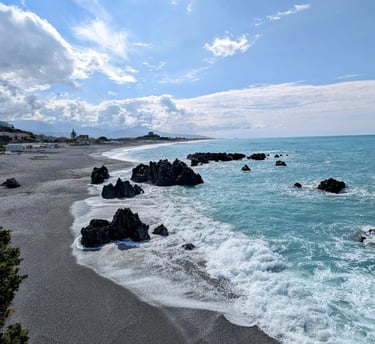
Scalea
Scalea