What I Wish I Knew Before Buying Property in Italy
Thinking about buying property in Italy? Learn the biggest differences between Italy and the U.S., hidden costs, cultural surprises, renovation realities, and what I wish I knew before purchasing a home in Italy.
6/13/20267 min read
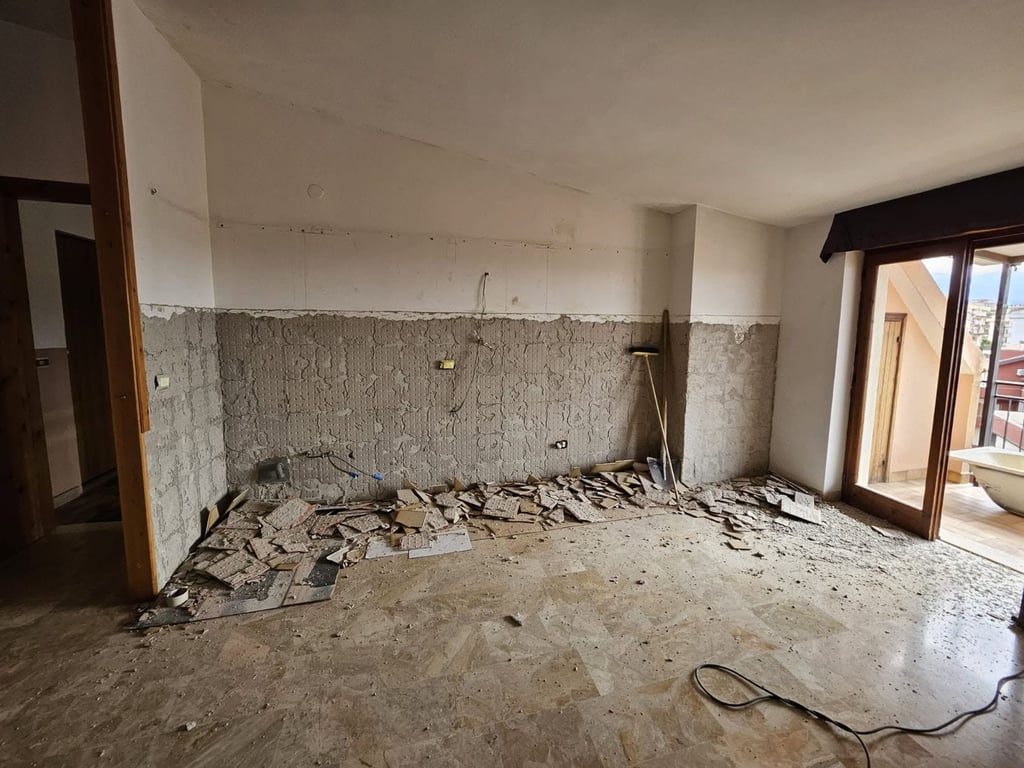
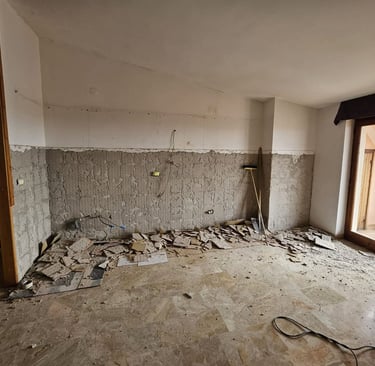
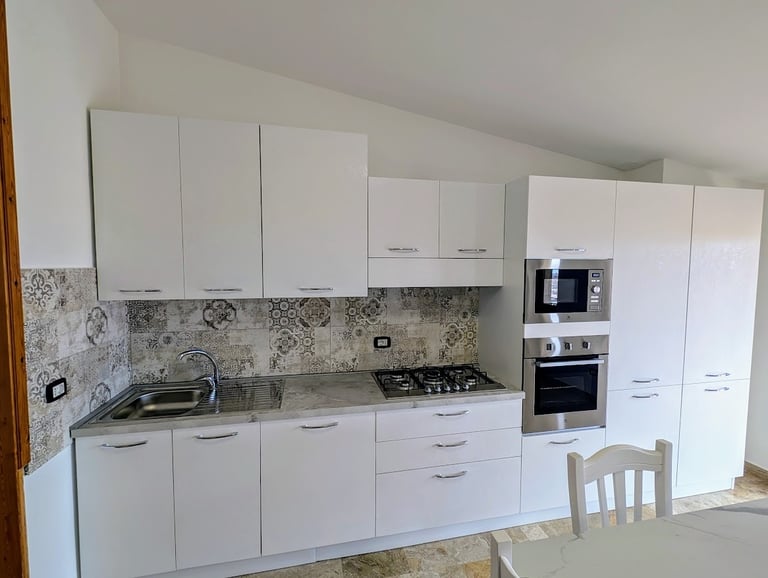
(The kitchen in my Italian home during renovations)
Buying a property in Italy was a lifelong dream of mine and one of the most exciting things I’ve ever done. It was also one of the biggest learning experiences.
Before I signed anything, I had read countless articles, watched videos, and convinced myself I understood the process. The reality was that buying a home in Italy is very different from buying one in the United States, and many of the surprises had nothing to do with the home itself.
If I could go back and tell myself a few things before starting the process, this is what I would say...
The Process Is Slower Than You Expect
In the U.S., many buyers are used to moving quickly. A house gets listed, offers come in, inspections happen, and closing can feel like a race against the clock. In Italy, things often move at a different pace.
Communication may be slower, documents may take longer to gather, and there can be more back-and-forth between the buyer, seller, agent, and notary. It doesn’t necessarily mean something is wrong. It’s simply a different rhythm.
That was one of the first cultural adjustments I had to make. Patience isn’t just helpful when buying in Italy, it’s essential.
The Notary Is a Much Bigger Deal Than in the U.S.
In the United States, the title company and closing attorney often handle much of the transaction.
In Italy, the notaio (notary) plays a central role. The notary is responsible for verifying the legality of the transaction, checking ownership records, and preparing the final deed... a very important role in the buying/selling process.
You don’t just show up and sign papers. The notary is a key participant in the process, and their fees are part of your closing costs. The notaio I had was very serious, and he 100% wanted to ensure that I understood everything that was happening.
In my research, I knew that choosing a reputable notary and budgeting for those fees was just as important as finding the right property.
Using a Realtor is Different in Italy
One difference to consider between the U.S. and Italy when it comes to realtors is this: In the U.S., you choose your realtor, and they help you house hunt and set up viewings. That's not how it works in Italy. You must go through the agent who has listed the property.
This is important because, for any home you want to see, you must contact that agent, set up the viewing with them, and use them if you want to make an offer. I researched all the realty offices in the town I was buying in to ensure I didn't get stuck with an awful agent with horrible reviews.
Luckily, the apartment I fell in love with had an excellent family-run real estate agency, and I now consider them my friends.
The Listing Price Is Not the Final Price
When you see a property listed for €150,000, that is not necessarily what you’ll spend.
Additional costs can include:
Purchase taxes
Notary fees
Agency commissions
Registration fees
Translation or legal assistance if needed
Geometra fees (land surveyor/engineer)
Many foreign buyers underestimate these expenses. Depending on the property type and whether it is a primary residence or second home, the extra costs can be significant.
A good rule of thumb is to set aside a healthy buffer beyond the purchase price so you aren’t surprised at closing.
Renovation Costs Are Different Than You Think
One of the biggest mistakes I see people make is assuming renovation costs in Italy will be dramatically cheaper than in the U.S.
Labor can be less expensive in some regions, but materials, permits, and specialized work can add up quickly. Historic properties often come with additional restrictions, and renovations can take longer than expected.
If you’re buying an older apartment, farmhouse, or village house, get realistic estimates before falling in love with the idea of a “cheap fixer-upper.”
Sometimes the inexpensive purchase price is only the beginning. And those 1 euro homes are going to cost you a lot more than that!
Cash Is Common, Financing Can Be Complicated
Many Italian property transactions involve cash buyers. Mortgages are available to foreigners, but the process can be more complex than in the U.S.
Italian banks may require extensive documentation, proof of income, tax records, and translations. Approval timelines can also be longer.
If you plan to finance the purchase, start researching lenders early rather than waiting until you’ve found a property. I chose to use a home equity loan on my house in the U.S. I paid cash for my apartment and the renovations.
The Concept of “Move-In Ready” Is Different
In many parts of the U.S., buyers expect updated kitchens, modern bathrooms, central HVAC, and newer systems.
In Italy, especially in older buildings, expectations can be different. You may encounter:
Older electrical systems
Radiator heating instead of central air
No heating or air conditioning at all
Smaller kitchens or no kitchen (we'll get into this more)
Thicker walls and historic construction
Layouts that don’t match American preferences
Unexpected shared spaces like gardens or balconies
This is why it's crucial to see the property you are interested in and understand exactly what you are getting into. What Italians consider perfectly functional may feel dated to someone coming from the U.S. market.
You may also complete the purchase, finally get your keys, open the door to your new home, and there is a ton of stuff still in the house. In the U.S., everything is supposed to be gone. In Italy, it is more common for sellers to leave behind what they don't want.
I was lucky, and the previous owners took everything... including the kitchen and light fixtures. I preferred this over the alternative! I didn't have to worry about getting rid of anything, and I could start with a clean slate.
Italian kitchens are like furniture. They are assembled and can be disassembled and moved. So do not be surprised if your home doesn't have a kitchen. But don't panic. Kitchens in Italy are very affordable compared to the U.S. You can get an entire kitchen (cabinets, sink, fridge/freezer, dishwasher, microwave, and stove) for less than $5,000.
Relationships Matter More Than I Expected
This was one of the biggest cultural differences, and honestly, a positive one in my opinion.
In the U.S., transactions often feel highly transactional. In Italy, relationships and trust can carry more weight. Taking time to meet people, ask questions respectfully, and build rapport can make the process smoother. When the final paperwork for my property purchase was completed, the sellers offered to take me out for coffee.
I also have learned that if you know someone, use it. When you are purchasing furniture or hiring help, name-dropping can make a huge difference. You say, "So an so told me about you and recommended I contact you." Trust me, if you can name-drop in Italy, do it. Prices will likely be better, and they will make more of an effort to help you.
Bureaucracy Is Real
Italy has a reputation for bureaucracy, and some of that reputation is deserved.
Expect paperwork. Expect multiple documents. Expect that some records may not be digitized. Expect that things occasionally require an extra visit, stamp, or signature.
Instead of fighting it, I found it easier to plan for it. Build extra time into your schedule and keep organized copies of every document.
Location Matters More Than the Price
Many buyers are drawn to ultra-cheap properties in small villages. I understand the appeal—I was fascinated by those listings too.
But I wish I had focused even earlier on how I would actually use the property:
How far is the nearest airport?
Is there reliable internet?
Are shops and services available year-round?
What is the community like outside tourist season?
Will I enjoy spending time there in February, not just August?
Will I get bored there?
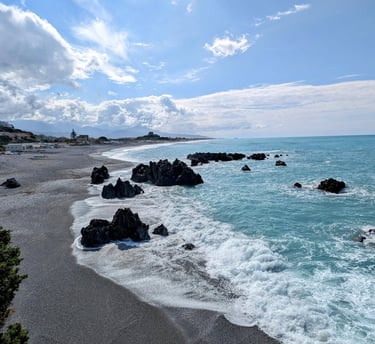
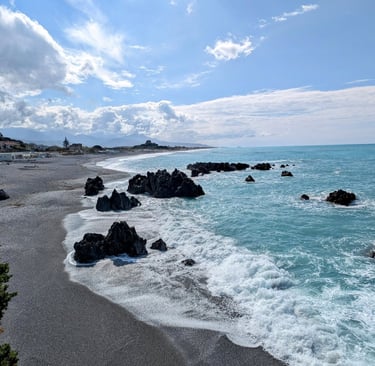
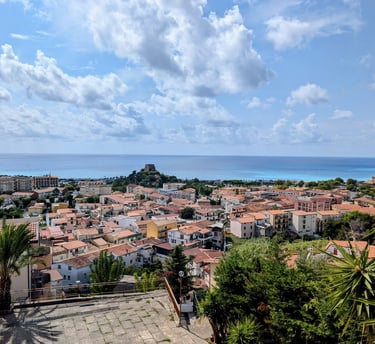
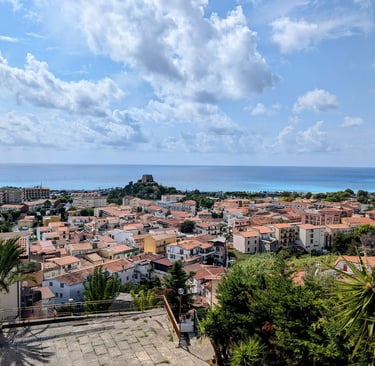
A bargain property in the wrong location can become far less appealing over time. I spent a lot of time looking at remote mountain towns until I lived in Italy for a month and quickly realized what I truly wanted: a town with plenty of stores, transportation, the train station, and something to do when there's nothing to do (going to the beach!)
The Emotional Side Is Different Too
Buying in Italy isn’t just a financial decision for many Americans. It’s often tied to lifestyle dreams, heritage, retirement plans, or the idea of a second home abroad.
Because of that, emotions can run higher than they might in a typical U.S. real estate transaction.
My advice is to enjoy the excitement while still approaching the purchase with a practical mindset. Fall in love with Italy, but do your due diligence on the property.
Before You Start House Hunting
If I could summarize everything I wish I knew before buying property in Italy, it would be this: don’t assume the process works like it does in the United States. The legal system, the pace, the costs, the cultural expectations, and even the definition of a “good property” can be very different.
That doesn’t make it better or worse—it’s simply different. Once I started learning how the Italian system actually works, the experience became much less frustrating and much more enjoyable.
For me, the rewards have been worth the learning curve, and in all honesty, buying a home in Italy was the best choice I've every made.
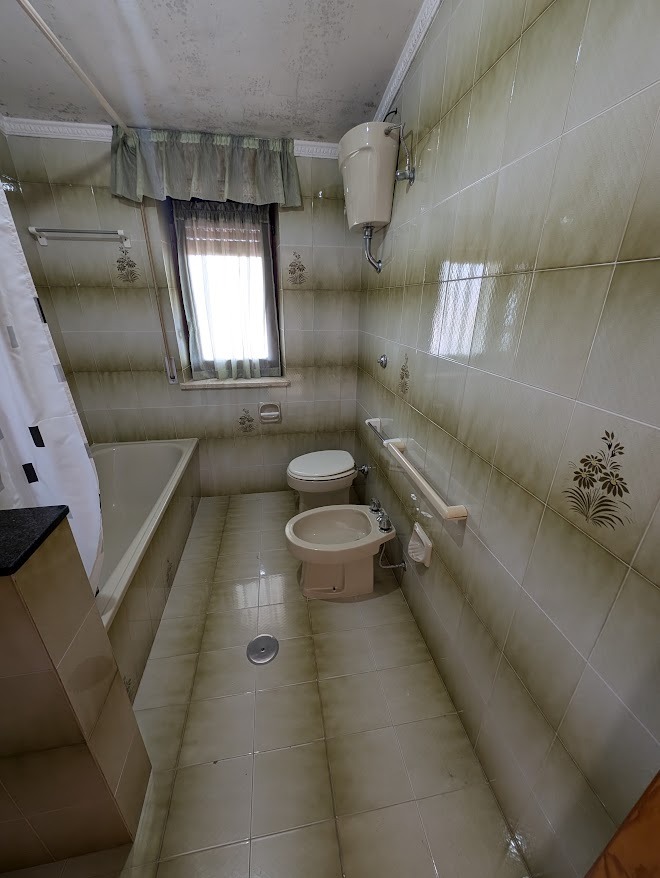

My Italian bathroom before
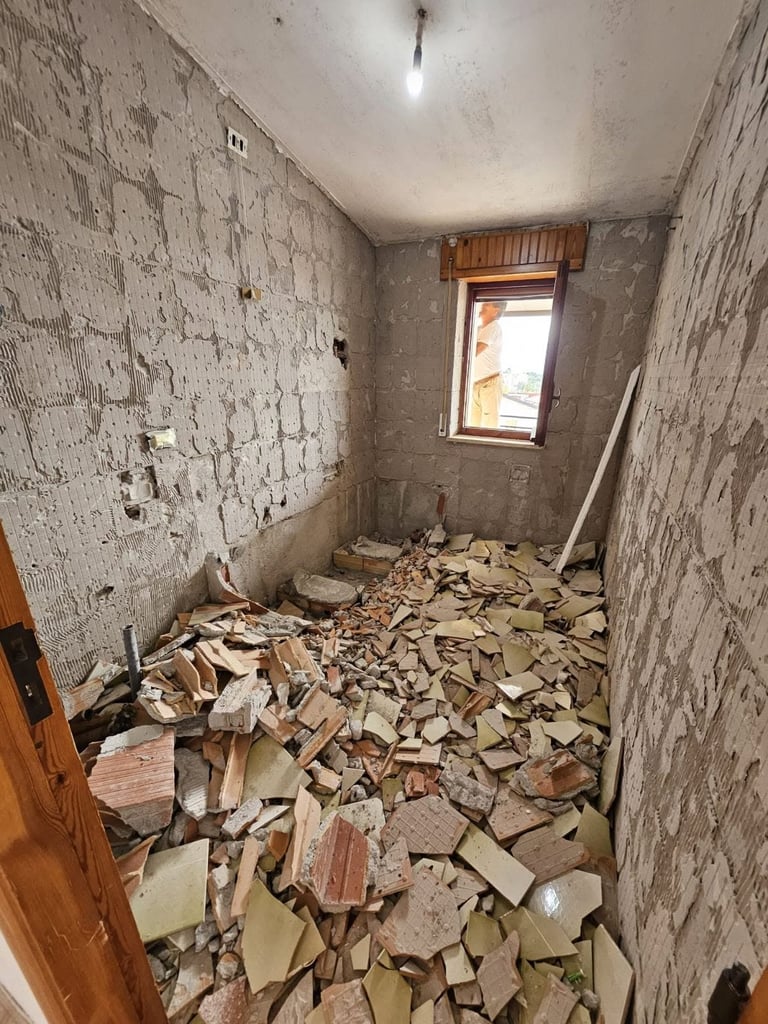
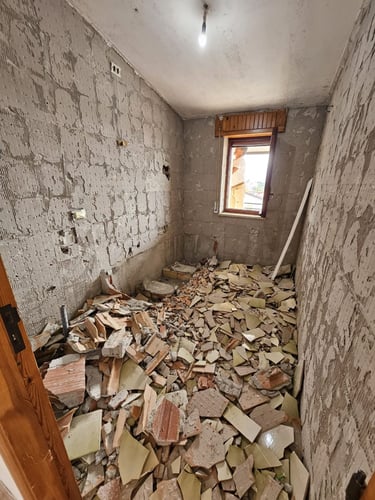
Bathroom during renovations
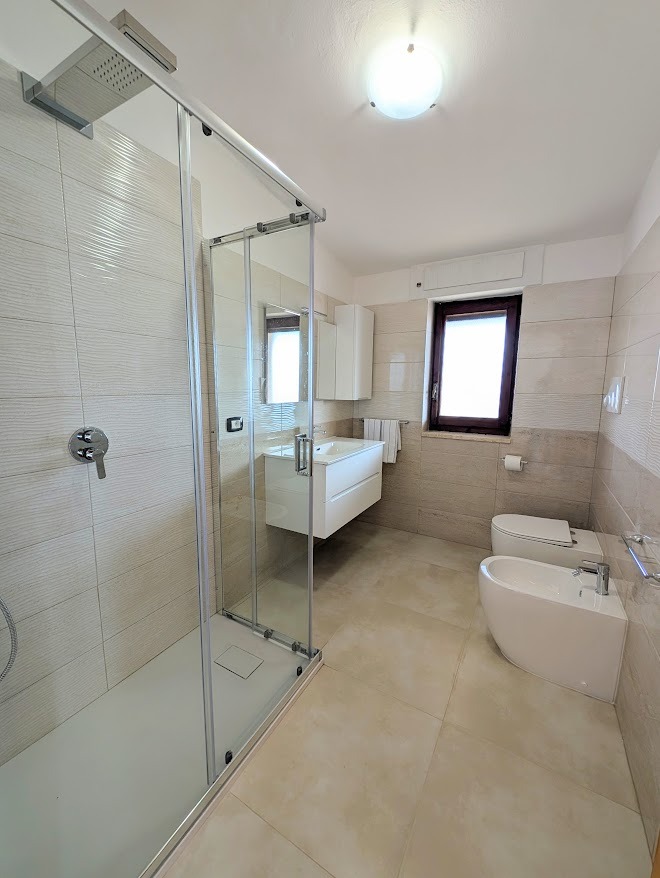
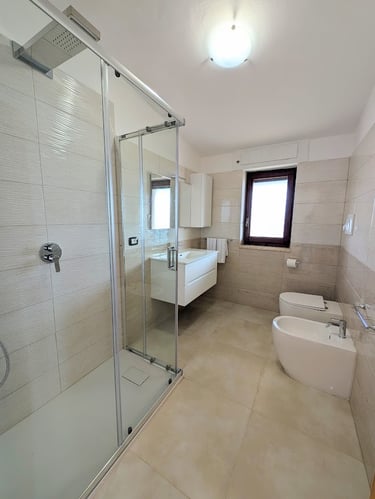
Bathroom completed
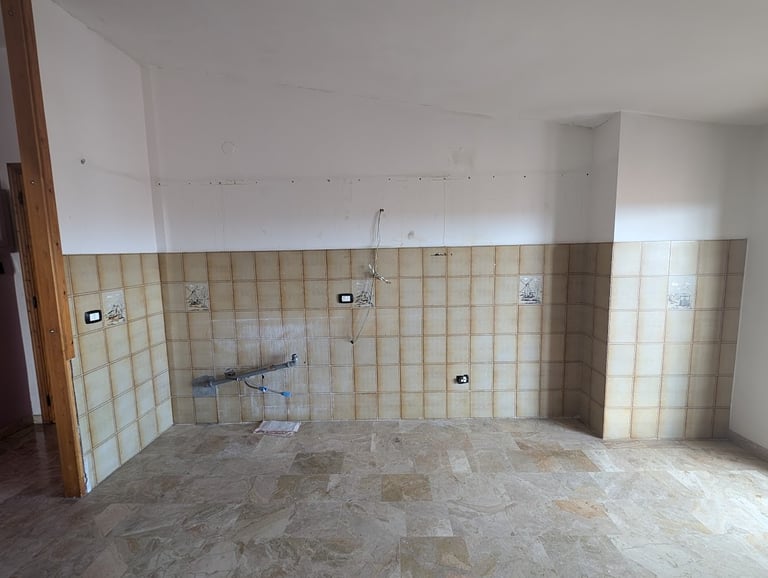
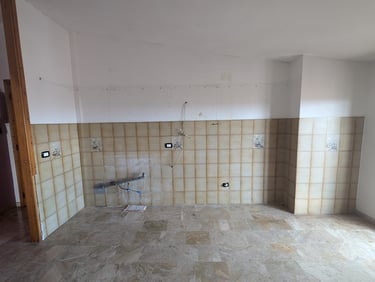
Italian kitchen before
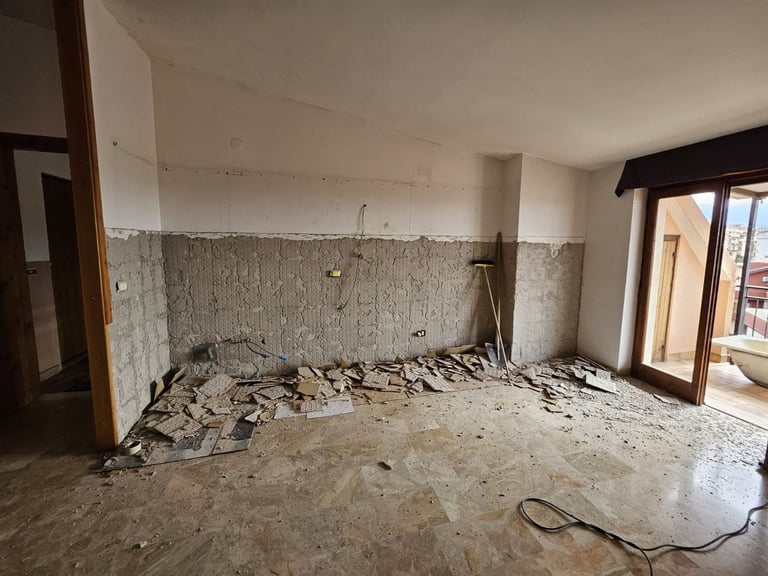
Kitchen during renovations