Turin, Italy Travel Guide: Best Things to Do, Eat & See
Discover the best things to do in Turin, Italy, including top attractions, local food, where to stay, how to get there, the best time to visit, and day trips to take. A complete Italy travel guide for Turin.
10/28/202622 min read


*A little disclaimer: This post contains affiliate links. If you use these links to buy something, I may earn a small commission at no extra cost to you. Thanks!
Turin, Italy doesn’t always get the attention it deserves, but that’s part of its charm! Set against the Alps, this elegant northern Italian city mixes gorgeous architecture, quaint shops & cafés, excellent food, and a modern vibe. Turin might not be the first Italian city that comes to mind when you're planning a trip to Italy, but I think it's one worth adding to your list.
Located in the Piedmont region of northwestern Italy, Turin (or Torino, as the Italians call it) has a fascinating royal history, and is known for its chocolate and aperitivo culture. There's a certain sophistication to Turin, but it doesn't mean you have to spend your entire trip visiting museums. You can spend your morning exploring a palace, stop for a traditional Torino coffee drink (bicerin) in a sweet little café, wander through a local market, and finish the evening with a glass of Piedmont wine and a plate of fresh pasta.
If you're planning a visit to Northern Italy, this guide covers the best things to do in Turin, where to stay, what to eat, how to get there, the best time to visit, and a few helpful tips to make your trip easier. Let's dive in...
Where Is Turin, Italy Located?
Turin is in the Piedmont region of northwestern Italy, close to the French and Swiss borders and at the foot of the Italian Alps. It's the regional capital and sits along the Po River, Italy's longest river. Its location makes it a great destination for travelers who are also checking France off their bucket list. Milan is roughly an hour away by high-speed train, and you can also use Turin as a starting point for exploring Piedmont's wine country, mountain villages, and royal residences.
Turin is a much larger city than some of Italy's famous hill towns, but the historic center is relatively compact and easy to explore on foot. The architecture and numerous squares give it a very different feel from many other Italian destinations.
One thing I love about planning a trip to Italy is discovering places that offer something beyond the usual tourist itinerary. Turin has plenty of major attractions, but it's also a wonderful town for just wandering around and taking in the everyday life of Italians.


Best Things to Do in Turin, Italy
There is plenty to keep you busy in Turin, whether you're interested in history, art, food, architecture, or simply exploring a beautiful Italian city.
1. Visit the Mole Antonelliana and National Museum of Cinema
The Mole Antonelliana is one of Turin's most recognizable landmarks. It rises above the surrounding rooftops, and it's hard to miss when you're exploring the city.
Originally a synagogue in the 19th century, the building eventually became a symbol of Turin. Today, it houses the National Museum of Cinema, making it an especially interesting stop for movie lovers.
Inside, you'll find exhibits exploring the history of cinema, from its earliest days to modern filmmaking. The building itself is just as impressive as the collection, with dramatic interior spaces and a central hall that rises high beneath the dome. It's a must-see!
If the weather cooperates, consider taking the panoramic lift to the observation platform for views across Turin and toward the Alps. It's a wonderful way to see the city's layout from above.
Allow a couple of hours for the museum and observation experience, particularly if you enjoy taking your time.
Turin travel tip: Check ticket availability and lift operating hours before your visit. The observation lift can be popular, and booking ahead is a good idea during busy periods.


You can't go to Turin without checking out the Mole Antonelliana and National Museum of Cinema
2. Explore the Egyptian Museum
You might not expect to find one of the world's most important collections of ancient Egyptian artifacts in northern Italy, but Turin is home to the Museo Egizio, or Egyptian Museum.
The museum has an extraordinary collection of statues, sarcophagi, papyri, mummies, and other objects from ancient Egypt. It's widely considered one of the world's leading Egyptian museums.
Even if ancient history isn't usually your thing, the scale and age of the objects make this a fascinating visit. You can easily spend several hours here, so don't try to squeeze it into a quick stop between other attractions.
The museum is centrally located, making it easy to combine with Piazza San Carlo, Piazza Castello, and a stroll through the surrounding historic streets.
Turin travel tip: Book your tickets in advance and give yourself at least two to three hours. This is one attraction I'd prioritize if you only have a couple of days in Turin.


Turin is home to one the most impressive Egyptian museums in Europe, the Museo Egizio
3. Tour the Royal Palace of Turin
Turin was the seat of the House of Savoy, the royal dynasty that played a major role in Italian history. One of the best places to learn more about that history is the Palazzo Reale, or Royal Palace.
The palace complex includes beautifully decorated rooms, elaborate furnishings, artwork, and the Royal Armory. The interiors give you a glimpse into the lives of the royal family, with grand halls and decorative details that are a world away from any ordinary home.
The Royal Museum also includes other collections and historic spaces, so check what is open and included in your ticket when planning your visit.
Even if you're not someone who normally spends much time touring palaces, this one is definitely worth considering. It helps explain why Turin looks the way it does and why the city feels so different from other Italian destinations. You really shouldn't skip it.


Another must-see attraction is the impressive Palazzo Reale
4. Wander Through Turin's Piazza Castello
Piazza Castello is one of the main squares in Turin's historic center and a great starting point for exploring the city.
Several important landmarks surround the square, including Palazzo Madama and the Royal Palace. You'll also find shops, cafés, pedestrian areas, and streets leading toward many of Turin's other attractions.
Piazza Castello is also a convenient place to begin a walking tour because many of the city's major sights are within easy reach.


Meander through Piazza Castello for incredible architecture and a lively vibe
5. Spend Some Time in Piazza San Carlo
Often called one of Turin's most beautiful squares, Piazza San Carlo is surrounded by elegant historic buildings, cafés, and covered walkways.
At the center is an equestrian statue of Emmanuel Philibert, and at one end stand the twin churches of Santa Cristina and San Carlo Borromeo.
The square has a lovely atmosphere throughout the day. Visit in the morning for coffee, stop by in the afternoon while shopping, or return around aperitivo time when people begin gathering for an Italian passeggiata, drinks or a gelato.
If you enjoy photographing architecture, this is a particularly good place to capture Turin's gorgeous Baroque character.


The magnificent Piazza San Carlo in Turin
6. Walk Beneath Turin's Historic Arcades
One of the things that makes Turin so enjoyable to explore is its extensive network of covered arcades, known as portici.
They stretch along major shopping streets and around important squares, providing shelter from rain and summer sunshine. The arcades are also lined with shops, cafés, bakeries, and restaurants, so there's always something to catch your eye.
Via Roma is one of the main shopping streets, while Via Po is another beautiful route to explore on foot. Don't miss the Galleria Subalpina, either, with its historic architecture and elegant atmosphere.


Discover the many arcades (portici) throughout Turin
7. Visit the Turin Cathedral and Learn About the Holy Shroud
Turin Cathedral, or Duomo di Torino, is dedicated to Saint John the Baptist and sits near the Royal Palace.
The cathedral is particularly famous for its connection to the Holy Shroud, the linen cloth believed by some to have been used to wrap Jesus after his crucifixion. The Shroud is kept in a protected setting and is not ordinarily displayed for public viewing.
You can visit the cathedral itself and learn about the Shroud's religious and historical significance. It's worth remembering that the cloth's authenticity remains a matter of debate, which is part of what makes its story so compelling.
If you're already visiting the Royal Palace, the cathedral is an easy addition to your itinerary.
Turin travel tip: Don't forget that you must cover your shoulders when entering churches in Italy. You also cannot wear hats or short skirts/shorts.


The beautiful Turin Cathedral
8. Explore the Quadrilatero Romano
For a different side of Turin, head to the Quadrilatero Romano, one of the city's oldest neighborhoods.
The area follows the layout of the ancient Roman settlement and is now filled with narrow streets, little shops, cafés, wine bars, and restaurants.
This is a good neighborhood for getting away from the more formal atmosphere around the royal squares. You can browse the streets, find a small restaurant for dinner, or enjoy a drink and a few snacks.
If you're interested in trying traditional Piedmontese food, this is also a good area to explore when looking for a trattoria.


The gorgeous architecture you'll find throughout Turin's neighborhoods
9. Visit the Porta Palazzo Market
If you enjoy local Italian markets, make time for Porta Palazzo. Located near Piazza della Repubblica, this is one of Europe's largest open-air markets. You'll find fresh produce, cheeses, meats, baked goods, flowers, clothing, and plenty of other items.
Markets are one of my favorite ways to get a feel for a destination. They offer a glimpse of what Italian life really looks and feels like.
Turin travel tip: Go in the morning when the market is active, and bring some cash just in case.


Visit an open-air market in Turin for fresh produce and more
10. Relax in Turin's Parco del Valentino
After a few hours of museums and sightseeing on the streets of Turin, a little green space can be a welcome change.
Parco del Valentino stretches along the Po River and is one of Turin's best-known parks. There are walking paths, open lawns, mature trees, and places to sit and take a break.
The park is also home to the Borgo Medievale, a historic-style medieval village created in the 19th century as a recreation of Piedmontese architecture.


Take a stroll through Parco del Valentino in Turin
11. Visit the Basilica of Superga
If you have extra time, consider heading out to the Basilica of Superga, which sits on a hill overlooking Turin.
The astonishing Baroque basilica is known for its impressive dome, royal tombs, and breathtaking views of the surrounding landscape.
Getting there is part of the fun. Depending on current operating schedules, you can travel by public transport and connect to the historic Sassi–Superga rack railway, or use other local transport options.
Allow several hours for the trip, especially if you want time to explore the basilica and enjoy the views.
Turin travel tip: Check the railway schedule before setting out, as services can vary seasonally or during maintenance.


Panoramic views from the Basilica of Superga, Turin
12. Discover Turin's Automotive History
Turin has a long association with the Italian automotive industry, so it makes sense that the city is home to the National Automobile Museum, known as MAUTO.
The museum covers the history of the automobile through vehicles, design, engineering, and interactive displays. You'll see how cars evolved over time and learn about the role Italian manufacturers played in the industry.
It's a particularly good choice for car enthusiasts, families, or anyone who wants a break from traditional art museums and palaces.
The museum is outside the immediate historic center, so allow extra travel time. You can reach the area by public transport.


Discover the history of automobiles at the National Automobile Museum in Turin
Where to Shop in Turin
Torino is a great city for shopping, whether you're looking for Italian fashion, small boutiques, local food products, or simply a little window-shopping.
Via Roma is one of the main shopping streets, with a mix of well-known brands and elegant storefronts. Via Garibaldi is another popular option, while the city's historic galleries offer a more atmospheric setting.
If you enjoy bringing home food souvenirs, look for gianduiotti chocolates, local hazelnut products, grissini, and regional specialties from Piedmont.


Galleria San Federico is an aesthetically pleasing place to shop
What to Eat in Turin
One of the best reasons to visit Turin is the food. Piedmontese cuisine is different from what you might expect if most of your Italian food experiences have been in southern Italy. You'll find rich pasta dishes, meat specialties, seasonal ingredients, hazelnut desserts, and a long tradition of chocolate-making.
And then there's the coffee culture. Turin is the kind of city where you should absolutely make time to sit down in a historic café.
Here are some local specialties to look for during your visit:
Agnolotti del Plin
If you love pasta, start here. Agnolotti del plin are small, handmade pasta parcels filled with meat, traditionally pinched together to seal the filling inside. They're often served with a roast-meat sauce, butter and sage, or broth.
They're a classic Piedmontese dish, and you'll find different versions depending on the restaurant.
Tajarin
Tajarin is a thin, egg-rich pasta that's particularly associated with Piedmont. It is often served with butter, sage, meat sauces, or seasonal ingredients such as truffles.
If you visit during autumn, keep an eye out for dishes featuring the famous white truffles of the nearby Alba area.
Vitello Tonnato
This traditional dish consists of thinly sliced cooked veal topped with a creamy tuna-based sauce. It might sound like an unusual combination if you've never tried it, but it's a regional classic and commonly served as an antipasto.
Bagna Cauda
Bagna cauda is a warm sauce made with garlic, anchovies, and olive oil, served with vegetables and bread for dipping. It's especially associated with autumn and winter gatherings in Piedmont.
It's a good choice if you want to try something distinctly regional rather than another plate of pasta.
Gianduiotto Chocolate
Turin has a long chocolate-making tradition, and gianduiotti are among its most famous treats. These small, distinctive chocolates combine chocolate and hazelnuts into a rich, smooth confection.
You'll find them in traditional chocolate shops, specialty food stores, and historic cafés. They're also easy to pack as a souvenir for friends and family back home.
Bicerin
If there's one drink I would make a point of trying in Turin, it's bicerin. This traditional local drink combines espresso, chocolate, and cream in distinct layers, usually served in a small glass.
It dates back to Turin's historic café culture and is especially associated with Caffè Al Bicerin, a historic café near the Santuario della Consolata.
It's rich, it's comforting, and it's practically a dessert in a glass. You can enjoy it on a chilly morning or as an afternoon treat while exploring the city.
Bonèt
Save a little room for dessert. Bonèt (also spelled bunèt) is a traditional Piedmontese pudding made with ingredients including cocoa, eggs, milk, and amaretti biscuits. Some versions also include rum or another liqueur.
It's a lovely way to finish a meal, particularly if you enjoy chocolate desserts.
Vermouth and Aperitivo
Turin has a long association with vermouth, and aperitivo is an important part of the city's food culture.
In the early evening, locals gather at cafés and bars for a drink accompanied by small bites. Depending on the establishment, you might find olives, cheese, bread, cured meats, or a more substantial selection of appetizers.
Where to Eat in Turin, Italy
Turin has everything from traditional family-run trattorias to contemporary restaurants and elegant historic cafés. Rather than spending your entire trip traveling across the city for meals, I'd start with the historic center and the Quadrilatero Romano, then branch out if there's a particular restaurant you want to try.
Tre Galline
If you're interested in traditional Piedmontese cooking, consider Tre Galline in the Quadrilatero Romano.
It's a historic restaurant known for regional dishes, including specialties such as vitello tonnato and agnolotti. This is the sort of place to consider for a sit-down meal when you want to experience the local cuisine.
Turin travel tip: Reserve ahead if you're visiting at a busy time.
Consorzio
Consorzio is another option for a meal centered on Piedmontese ingredients and regional cooking, with a contemporary approach.
It's worth looking at if you enjoy trying local specialties prepared with a little creativity. Check the current menu and prices before booking.
Porto di Savona
Located near Piazza Vittorio Veneto, Porto di Savona is a historic restaurant with a long connection to the city's dining scene.
It's a good name to look up if you want to combine dinner with an evening stroll around one of Turin's beautiful squares.
Caffè Al Bicerin
This historic café is particularly famous for its namesake drink. Stop in for a bicerin and perhaps a sweet treat, then take some time to explore the surrounding streets and the nearby Santuario della Consolata.
Baratti & Milano
Baratti & Milano is another historic café and confectionery to look into when exploring the center.
It's a good stop for coffee, pastries, and a taste of Turin's long-standing café tradition. Even if you're not planning a full meal, historic cafés like this are part of what makes the city special.
Turin travel tip: Restaurant opening days and hours can vary, and some traditional places close for part of the day or take a weekly rest day. Check current hours before setting out, especially if you've planned your itinerary around a particular restaurant.
Where to Stay in Turin
Choosing the right neighborhood can make your trip much easier. The good news is that Turin's historic center and many of its main attractions are fairly close together, so you don't necessarily need to stay in the most expensive area to have a good experience.
Centro Storico: Best for First-Time Visitors
The Centro Storico, or historic center, is my first recommendation for anyone visiting Turin for the first time.
You'll be close to Piazza Castello, the Royal Palace, the Egyptian Museum, Turin Cathedral, and many of the city's main shopping streets. There are also plenty of cafés and restaurants within walking distance.
The main downside is that accommodation here can be more expensive, particularly during popular travel periods and major events.
Look for a hotel or guesthouse around Piazza Castello, Via Roma, or the surrounding historic streets if convenience is your priority.
Where to stay in Centro Storico: For spacious rooms, spa services, a hot tub, and a restaurant, try DUPARC Hotel & Apartments
Quadrilatero Romano: Best for Restaurants and Evening Atmosphere
The Quadrilatero Romano is a great option if you want to spend your evenings wandering through historic streets, enjoying an aperitivo, and trying different restaurants.
It's close to the center but has its own character, with narrow lanes, wine bars, and plenty of restaurants.
Where to stay in Quadrilatero Romano: For a grand hotel with free breakfast, a spa, and excellent reviews, choose Hilton Turin Centre
San Salvario: Best for a Lively, More Casual Stay
San Salvario sits near Porta Nuova railway station and has a diverse mix of restaurants, bars, cafés, and nightlife. It's a practical choice if you're arriving by train, want a lively atmosphere, or prefer a neighborhood with plenty of casual dining options.
Some streets are busier than others, so look at recent accommodation reviews before booking. If you want a quieter stay, a room away from nightlife streets may be preferable.
Where to stay in San Salvario: For incredible views and an amazing indoor pool, check out Principi di Piemonte
Vanchiglia: Best for Cafés and a Local Feel
Vanchiglia is a good area to consider if you enjoy little cafés, smaller businesses, and a more relaxed, creative atmosphere.
It's east of the historic center and within reach of the Mole Antonelliana. You'll have access to restaurants and bars without necessarily staying in the busiest tourist area.
This is a neighborhood to consider if you've already visited Turin or simply prefer exploring places that feel a little less formal.
Where to stay in Vanchiglia: For charm, space, and a free buffet breakfast, choose Residenza dell'Opera
Crocetta: Best for a Quieter Stay
Crocetta is a more residential neighborhood known for elegant architecture and a quieter atmosphere.
It can be a good choice if you prefer to return to a peaceful area after a full day of sightseeing. You'll need to be a little more selective about your location if you want to walk to every attraction, but public transport makes getting around easier.
Where to stay in Crocetta: For elegance, comfort, and an amazing rooftop terrace, pick Turin Palace Hotel True Stay
What Type of Accommodation Should You Book?
Turin has a good range of accommodation, including:
Hotels: Convenient if you want a reception desk, daily housekeeping, and help arranging taxis or other services.
Boutique hotels: A good choice if you prefer smaller properties with individual character.
B&Bs and guesthouses: Worth considering for a more personal stay.
Apartments: Useful for families, longer stays, or anyone who likes having a kitchen.
Prices vary considerably by season, location, and event dates. Compare the total cost, including taxes and any cleaning or service fees, before booking.
Turin travel tip: If you're arriving by train, I would prioritize accommodation within easy reach of a metro or tram stop, even if it's not directly beside the station.


Monviso (the peak of the Cottian Alps) sits proudly behind Torino
How to Get to Turin, Italy
Turin is well connected to the rest of Italy and parts of Europe by air and rail. The best route depends on where you're traveling from and whether you're combining Turin with other destinations.
Flying Into Turin Airport
Turin Airport, also called Torino-Caselle Airport (TRN), serves Turin and the surrounding Piedmont region.
The airport is located north of the city, and you have several options for reaching the center.
By train: Regional train services connect the airport with stations including Porta Susa and Lingotto. Depending on the service and destination, the journey to Porta Susa takes around half an hour. Check the current timetable, as frequency and operating hours can vary.
By bus: Airport buses connect with central Turin, including the main railway stations. This can be convenient if your accommodation is closer to Porta Nuova or another stop along the route.
By taxi: Taxis are available outside arrivals. This may be the easiest option if you're carrying several bags or arriving late, although it will cost more than public transport.
Flying Into Milan Instead
If you're traveling from the United States, you may find it easier to book a flight into Milan rather than Turin, depending on your departure city and airfare.
Milan has two main airports used by international travelers: Malpensa (MXP) and Linate (LIN). Bergamo (BGY) is another option, particularly for some European low-cost routes.
Keep in mind that these airports are in different locations, and getting to Turin will take additional planning.
If you fly into Malpensa, look at direct coach services to Turin as well as combinations involving rail travel. From Linate or Bergamo, you'll generally need to arrange a connection to the railway network or use a suitable bus service.
Turin travel tip: Compare the total journey, not just the airfare. A cheaper flight can lose some of its appeal if it involves several transfers and a long journey to your hotel.
Traveling to Turin by Train
For many visitors already traveling around Italy, the train is one of the easiest ways to reach Turin.
The city has two main railway stations:
Torino Porta Nuova: A central station convenient for the historic center and nearby accommodation.
Torino Porta Susa: Another major station, served by high-speed trains and connected to the metro.
Driving to Turin
You can also reach Turin by car, particularly if you're planning to explore the Piedmont countryside, visit smaller towns, or continue into the Alps.
However, I wouldn't rent a car just to explore Turin itself. The historic center is very walkable, public transport is useful, and parking can be inconvenient.
If you do drive, research your hotel's parking arrangements and Turin's limited traffic zones, known as ZTL. You don't want to accidentally drive into a restricted area and receive a fine later. And remember to get an international plan on your phone or buy a SIM card so you always have access to Google maps.
Turin travel tip: Use trains for the city and rent a car only if it makes sense for the countryside portion of your trip.


Golden hour in Turin
Getting Around Turin
One of the nice things about Turin is that you can explore much of the historic center on foot.
Many of the main attractions are clustered around Piazza Castello, and the arcades make walking comfortable even when the weather isn't ideal.
For longer journeys, the city has a public transport network that includes:
Metro
Trams
Buses
The metro is particularly useful for getting between major stations and other parts of the city. Trams and buses can help when you're traveling beyond the main sightseeing area.
Before you arrive, check current ticket options, travel passes, and validation requirements through the local transport operator. Don't assume that a ticket purchased for one type of service automatically covers every journey.
Taxis can be useful for late-night trips or when traveling with luggage, but for most sightseeing, walking and public transport should be enough.


A convenient tram in Turin
The Best Time to Visit Turin
Turin is a year-round destination, but the experience can feel quite different depending on when you go. Spring and fall are particularly appealing for sightseeing, while winter is a good time to enjoy the city's historic cafés, museums, and chocolate culture.
Spring: March Through May
Spring is a lovely time to explore Turin on foot. Temperatures gradually warm up, parks become greener, and outdoor cafés start filling with people again.
March can still be chilly, and spring showers are possible, so pack layers and a light waterproof jacket.
April and May are particularly good months if you want to combine city sightseeing with day trips into the surrounding countryside.
Summer: June Through August
Summer brings longer days and plenty of opportunities to enjoy the city's outdoor spaces. You can walk along the Po River, spend time in Parco del Valentino, and enjoy dinner outside.
July and August can be hot, and some local businesses may close for summer holidays. It's worth checking restaurant schedules and booking popular attractions ahead of time.
If you visit in summer, plan outdoor sightseeing for the morning or later afternoon, leaving the hottest part of the day for a leisurely lunch or an indoor museum.
Fall: September Through November
Fall is one of my favorite seasons to recommend for northern Italy travel in general.
The weather is often comfortable for walking in September and October, and the surrounding Piedmont region is especially appealing during the wine and food season.
This is also a wonderful time to explore regional cuisine, including seasonal truffle dishes when available. November tends to be cooler and wetter, so bring a coat and comfortable shoes.
Winter: December Through February
Winter gives Turin a different atmosphere, with chilly weather, shorter days, and festive decorations around the city.
This is a good season for museum visits, historic cafés, hot chocolate, and long meals featuring regional specialties. If you enjoy skiing, Turin can also serve as a base for exploring mountain destinations, although you will need to plan transportation carefully.
Temperatures can drop considerably, so don't underestimate the cold. Pack a warm coat, scarf, and shoes suitable for wet or chilly conditions.


The Alps above Turin on a chilly winter's day
How Many Days Do You Need in Turin?
Two to three days in Turin for a first visit is a good start.
You can see some of the main highlights in a day, but Turin is the sort of place where you'll appreciate having time to explore the neighborhoods, visit a museum and palazzo, and enjoy the cafés and restaurants.
Day 1: The Historic Center
Spend the morning around Piazza Castello, visit the Royal Palace, and explore Turin Cathedral. Walk along the arcades toward Piazza San Carlo, stopping for lunch or a coffee along the way.
In the afternoon, visit the Egyptian Museum or the Mole Antonelliana, depending on your interests. Finish with aperitivo and dinner in the Quadrilatero Romano.
Day 2: Museums, Markets, and Local Life
Start with Porta Palazzo market, then spend some time exploring the surrounding streets. Visit the Mole Antonelliana and Cinema Museum if you didn't fit it in on day one.
Later, walk along the Po River or relax in Parco del Valentino. Head to Monte dei Cappuccini for a panoramic view if the weather is clear, then choose a local trattoria for dinner.
Day 3: A Day Trip or a Slower City Day
If you have a third day, visit the Basilica of Superga or the Royal Palace of Venaria Reale. Alternatively, stay in Turin and visit MAUTO, explore another neighborhood, or spend more time enjoying its historic cafés and shops.
I'd leave some unplanned time in the itinerary, too. You never know when you'll find a little bakery, a pretty street, or a restaurant you want to return to.


Piazza Castello, Turin
Practical Travel Tips for Turin
A little preparation will make your trip easier, especially if this is your first time visiting northern Italy.
Learn a Few Italian Words
English is spoken in many hotels and tourist-facing businesses, but knowing a little Italian is always helpful.
Start with these basics:
Buongiorno ~ Good morning
Buonasera ~ Good evening
Per favore ~ Please
Grazie ~ Thank you
Il conto, per favore ~ The bill, please
Dov'è la stazione? ~ Where is the station?
There are plenty of free and descent-priced options for learning Italian. And remember that Turin is in Piedmont, where you'll also hear Piedmontese, a regional language with its own history and expressions.
Wear Comfortable Shoes
You'll likely do quite a bit of walking, even if you use public transport for longer journeys.
The city center has many pedestrian-friendly streets, and the arcades make it easy to explore on foot. Comfortable shoes will be much more useful than anything you only want to wear for photographs.
Book Popular Attractions in Advance
For major attractions such as the Egyptian Museum and the National Museum of Cinema, check ticket availability before your trip. Advance reservations can be particularly helpful during weekends and holiday periods.
The same goes for special exhibitions, guided tours, and popular restaurants.
Check Opening Days
Don't assume every museum, palace, or restaurant is open every day. Some attractions have weekly closing days, and opening hours can change seasonally.
I recommend checking official websites a few days before your visit, then double-checking any time-sensitive bookings on the morning of your outing.
Keep an Eye on Your Belongings
As in any city, use normal precautions in crowded markets, train stations, and busy tourist areas. Keep your phone and wallet secure, especially when navigating public transport or moving through crowded spaces.
A Few Reasons to Fall in Love With Turin
Turin offers a different perspective on Italy, with incredible architecture, an important royal history, world-class museums, and a food culture that deserves far more attention.
It's a city where you can spend the morning looking at ancient Egyptian artifacts, wander through elegant piazzas in the afternoon, and finish the day with handmade pasta and a chocolate-filled treat.
I also love that Turin works for different kinds of travelers. History lovers have plenty to explore, food lovers can plan an entire trip around regional specialties, and anyone who enjoys discovering beautiful Italian cities will find plenty to appreciate.
If you're planning a trip through northern Italy, don't overlook Turin just because it's not always the first destination people mention. Give it two or three days, leave a little room in your schedule for wandering the city, and make time to enjoy the cafés and local food.
You will probably discover that this elegant city at the foot of the Alps becomes one of your favorite stops in Italy!


Be sure to add Turin to your next Italy itinerary
Contact
You Can Follow Me Here:
© 2026. All rights reserved.


Benevento
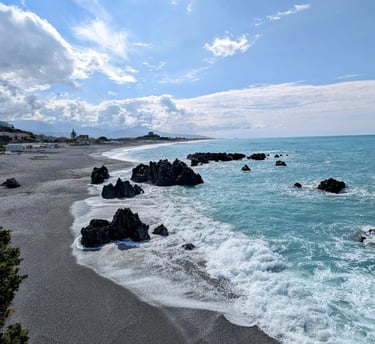
Scalea
Scalea